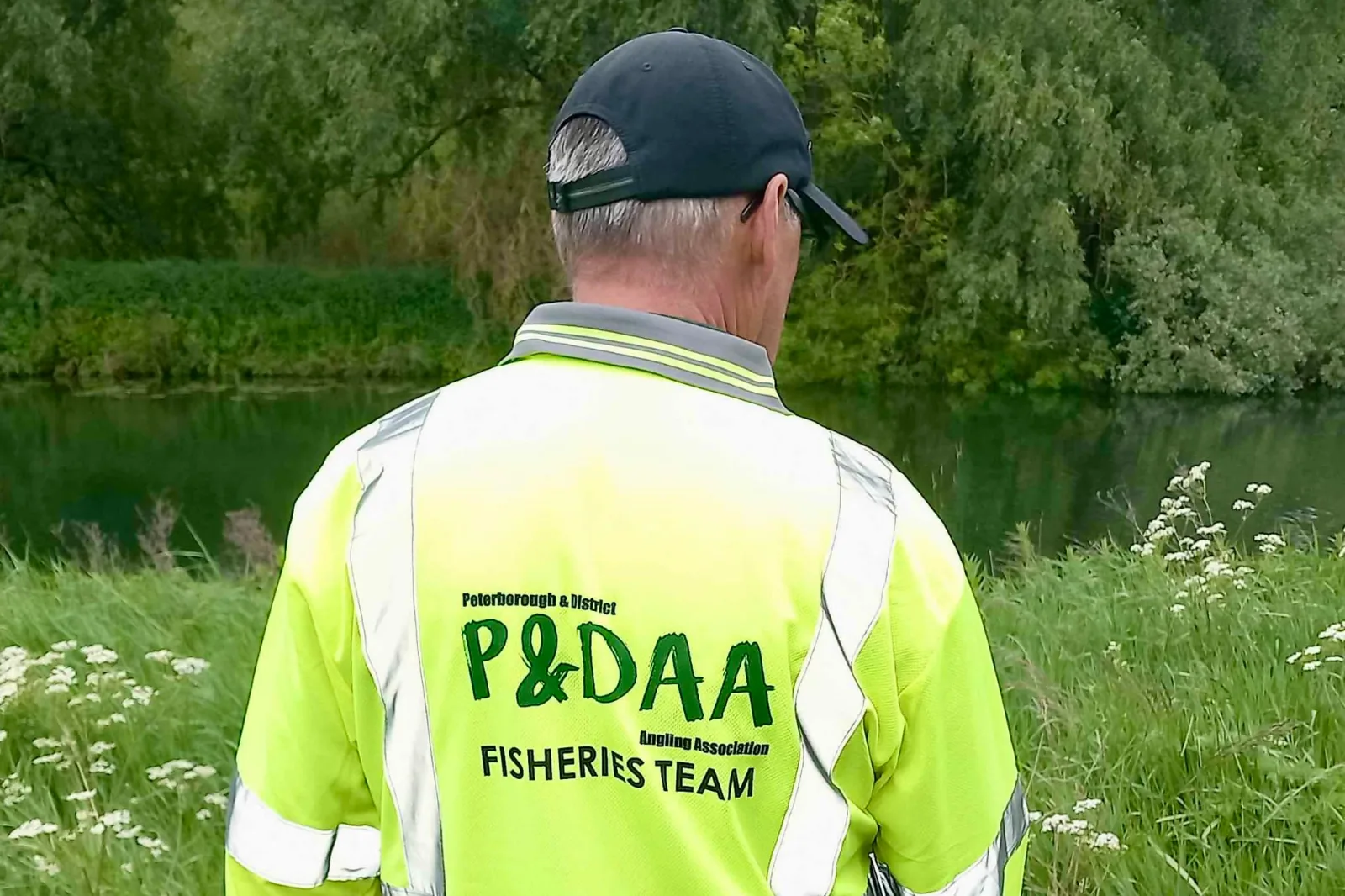
The biggest single funder of fishery habitat work in England isn't the government body legally bound to do it. It's anglers.
Over the last ten years the Environment Agency's Fisheries Improvement Programme has handed out around £10 million to clubs and fisheries. But that £10 million isn't the agency's money. It's rod licence income, anglers' own fees, paid in and then handed back out as competitive grants they have to apply for. The agency's own words, it's "a great way for people to see how their rod licence money is reinvested." So the state isn't funding this. Anglers funded it the day they bought the licence, and the programme simply returns a portion of it.
Then they're asked to pay again. Every FIP grant has to be match-funded, and over the same period the clubs, trusts and the anglers themselves have put in roughly £15 million of fresh money to unlock it, before you count the weekends, the waders, the barrow-loads and the unpaid labour that never shows up as a number at all. So anglers fund the pot, bid to get some of it back, then match it pound for pound and more, and the agency that holds the legal duty puts in none of its own. Recycled licence income shouldn't be mistaken for the state funding a duty of its own.
Habitat work isn't a nice-to-have. On the right water it's one of the most effective things you can do against predation. Sink the right structure in a coarse fishery and you can cut cormorant visits by three quarters. The evidence for that, and for where it stops working, is set out in the companion piece, Build it and they will come? Take it as read here: habitat works, on the right water, and the angling sector should be doing far more of it.
So why is the work that protects our fisheries paid for almost entirely by the people who fish them?
Whose job is it
In England and Wales the law is clear about who's responsible. The Environment Act 1995 places a duty on the Environment Agency to "maintain, improve and develop" salmon, trout, freshwater and eel fisheries. Not protect them if it's convenient. Maintain, improve and develop. It's a duty, it sits with the state through its agency, and it does not sit with anglers.
And the duty is to fisheries, not angling. Those aren't the same thing, and the rod licence blurs them together. The licence is a charge on anglers for the right to fish, angling money, paid for a day on the bank. The duty it funds is an ecological one, owed to the fish and the water, not to the people holding the rods. Most of the time the two pull together. Sometimes they don't. The Environment Agency cites that same fisheries duty as the legal basis for byelaws that cap how many salmon an angler can keep, force catch-and-release, and ban certain methods outright. On the Severn, every salmon caught by rod now has to go back. None of that is the Agency overreaching, it's the Agency doing its actual job, putting the fish first. But it means anglers aren't only funding a duty they don't owe. They're funding a duty that isn't to them, one that, when the fish need it, is used to limit their own fishing. The licence is sold as access to a sport. The money discharges an obligation that can work against it. None of which anglers resent. Ask anyone who runs a fishery and they'll tell you they're glad to put the work in, the fish are the point, and a byelaw that protects a salmon run is doing the job they want done. That's not in question. What's in question is narrower. Being willing to fund something doesn't make you the right person to fund it. The duty sits with the state whether anglers are happy to carry it or not, and they mostly are, which is exactly why nobody stops to ask whether they should have to.
Now look at how that duty gets funded. The fisheries service runs almost entirely on the rod licence. In 2023 to 2024 anglers bought 910,973 licences and put £22.5 million into the service. The last year the Agency published a clean breakdown, 2018 to 2019, the split was stark: of the money going into fisheries, around £21 million came from anglers and £1.1 million from central government. The body that holds the legal duty put in about a twentieth of what the people it owes the duty to put in.
In the years since, the reporting has quietly changed. The Agency now tends to say "100% of fishing licence income is reinvested," which is true, and also a tidy way of describing a service the public purse has largely stepped back from.
There's a name for this. A hypothecated tax is one where the money is ring-fenced for a single purpose, every penny of the rod licence going back into fisheries rather than into the general pot. Put like that it sounds like a good deal, and anglers are right to want their money spent on their sport. But look at what the ring-fence is doing. It isn't topping up what the state provides. It's standing in for it. The licence has quietly become the funding, not a contribution to it, and a charge sold as "your money, spent on your fishing" turns out to be the mechanism by which a statutory duty slid off the public books and onto the people it's owed to.
It's an unintentional bait and switch. Nobody designed it, and with everything else pressing on a stretched agency, nobody has a reason to stop and unpick it. The Environment Agency would take a proper capital settlement tomorrow if one were offered. The reason it isn't is that nobody carries the fisheries duty to the Treasury and asks. No villain, no scandal, just a quiet arrangement that suits everyone except the fish.
Anglers are who the duty is owed to. They carry no legal obligation to maintain, improve and develop fisheries, and yet they fund almost the whole effort to do it, through the licence and then again through their clubs. The people the law is meant to protect are paying for the protection.
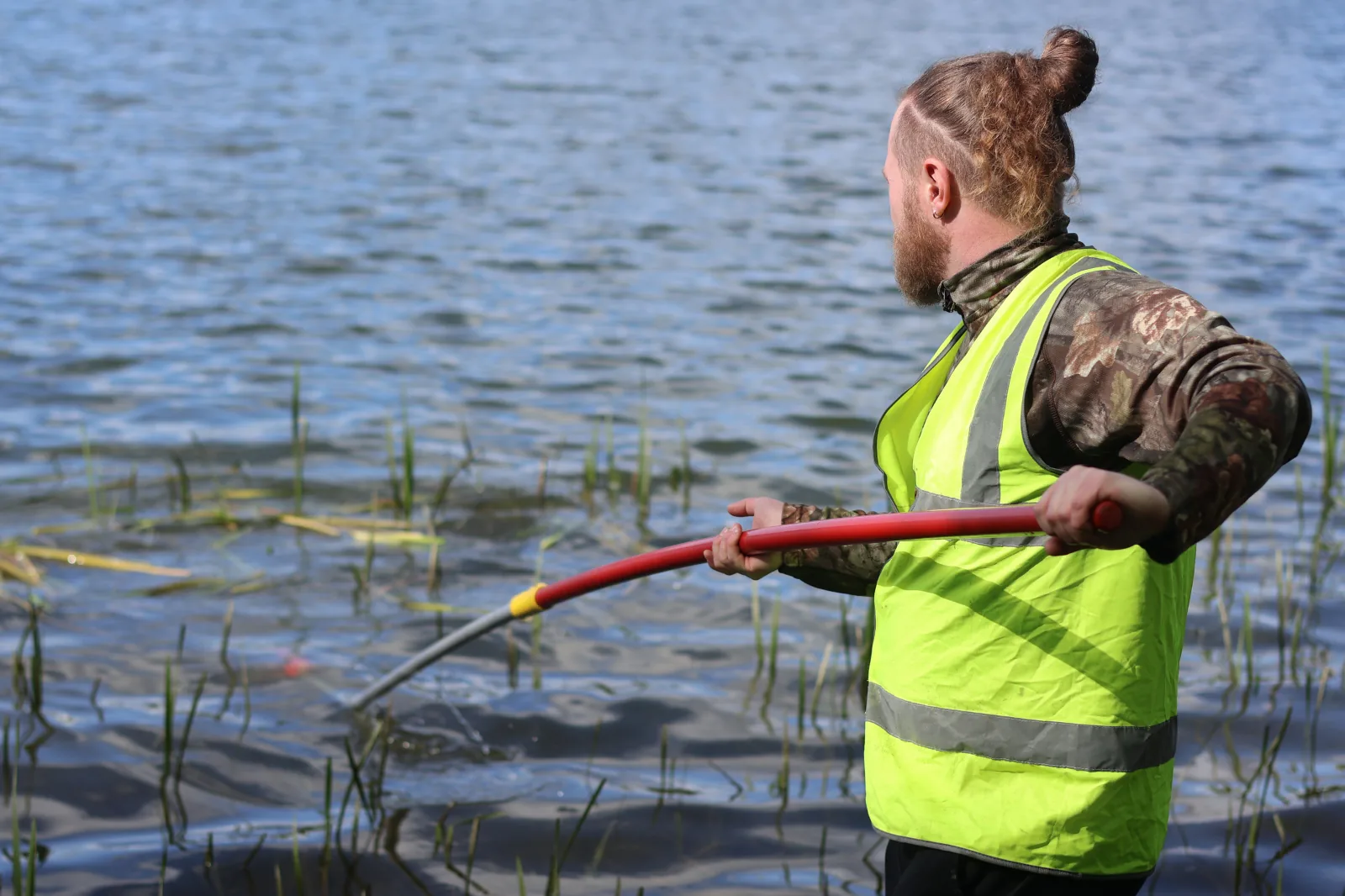
The people the law is meant to protect are paying for the protection.
A capital idea
Capital funding is money for the big stuff. It's what the Treasury hands a department to build something lasting, a flood wall, a road, a sea defence, separate from the running costs that keep the lights on. It comes from central government, allocated on purpose, and it's the difference between a duty the state pays for and a duty it expects someone else to cover.
Now set that beside flood defence. Flood and coastal defence has £4.2 billion of capital allocated for the three years to 2028-29, inside a Defra capital settlement of £16 billion. Nobody sensible objects to that. Homes flood, lives are at risk, the money has to be there. The point isn't that flood defence is overfunded. It's the contrast. And flood defence isn't even a duty. The law makes it a permissive power, the Agency may act, but it doesn't have to. Fisheries is the harder obligation of the two. "It shall be the duty of the Agency to maintain, improve and develop" is a must, not a may. So the state pours billions of capital into the work it has a choice about, and leaves the work it's legally bound to do on the rod licence. The duty gets less than the discretion.
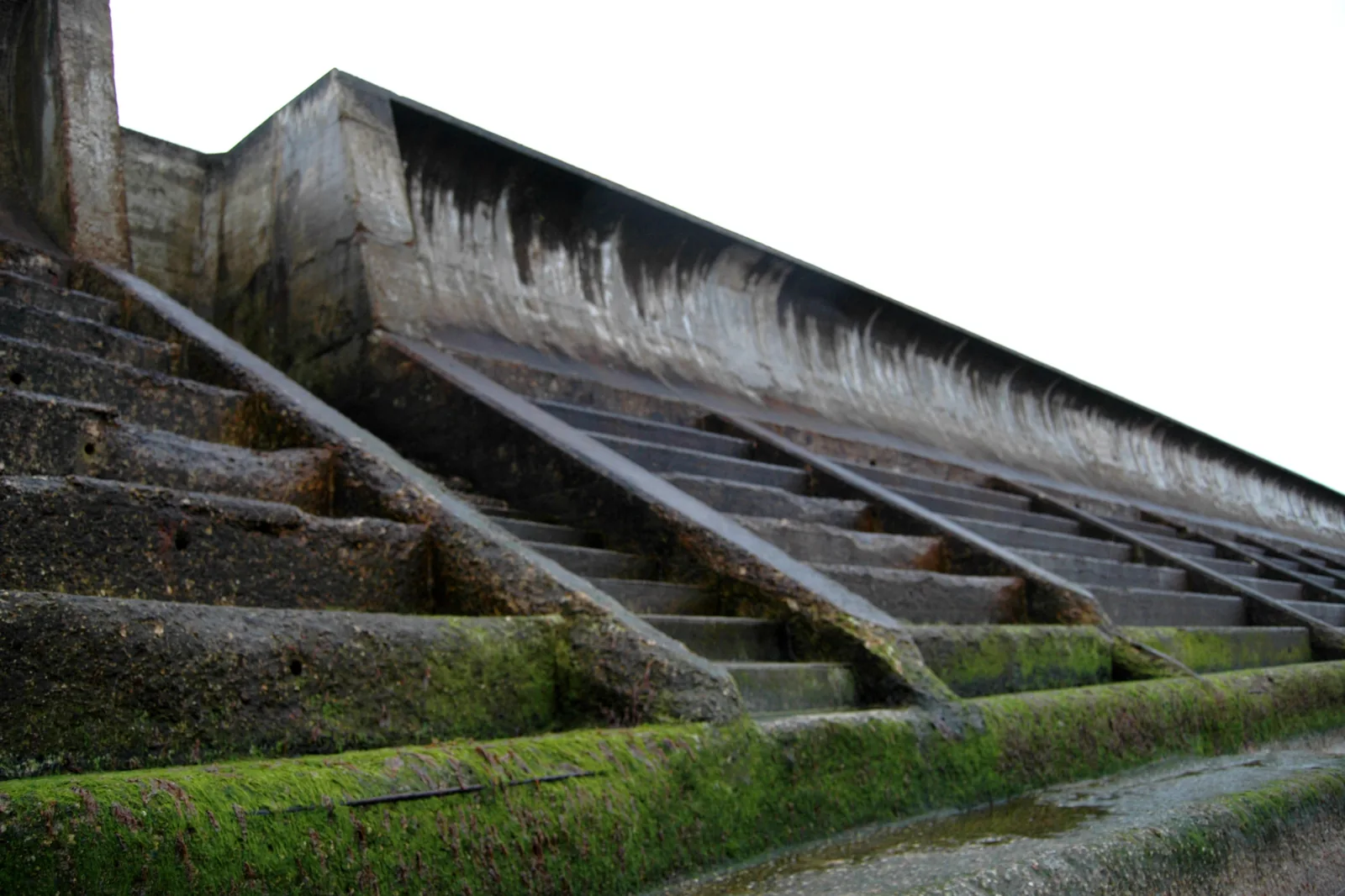
The duty gets less than the discretion.
Flood defence is capital-funded because Defra bids for it at the Treasury's Spending Review and the Treasury protects it as a priority. A department asks, a Chancellor agrees, and the money flows to the Agency as a grant. Fisheries habitat has never gone to that table. It sits outside the capital programme entirely, carried by a licence on the people the duty is owed to.
So the fix isn't more money squeezed from anglers. It's a line in Defra's next Spending Review bid for the habitat work the duty already requires, funded the same way the same department's flood work is funded. Someone has to put it forward. Nobody has.
Someone has to put it forward. Nobody has.
What this is, and isn't
We build tools to protect fisheries, so a better-funded fisheries service is good for us as well as the fish. The figures above are the Environment Agency's own and the law is on the statute book, so the argument doesn't rest on our word.
The Environment Agency is not the problem here. The funding settlement is. The Agency didn't decide that a Crown duty should run on a hobby licence, it inherited that arrangement, works within it, and spends what it's given well. It would take a proper capital allocation tomorrow if one were offered. Every figure in this piece is an argument with the Treasury, not with the people doing the work on the money they're handed.
None of this takes anything from the people doing the work. The flood money is right. The fisheries officers do good work on the money they're handed. The anglers turning up with barrows of brushwood and a morning to give are heroes, not a problem.
But a statutory duty deserves to be funded like one. From capital, by the body that holds it, not subsisted on reinvested income from the one group in the room that owes nothing. Capitalise the habitat work the way flood defence is capitalised, and the fisheries that can be protected by habitat would be. That's the honest test of whether the duty means anything: not whether the Agency says the words "maintain, improve and develop", but whether anyone takes the habitat half to the Treasury and asks.
The rod licence built a lot of good work. It shouldn't be the only thing holding up a duty the state signed its own name to.
Record what you see on the water
Every habitat record, every cormorant count, every water-quality reading builds the evidence base that makes the case. The Hydroscape App puts it in your pocket, free.
Built by passionate fishery managers with decades of hands-on experience in water management, biodiversity, habitat improvement and freshwater ecology. Hydroscape-Group, UK-built, globally available.