Natural England won't take an A06 application without a month of non-lethal deterrent logs behind it. Apply on 31 August and that log starts on 31 July. That's a fortnight from now, and it decides how much of this season you get.
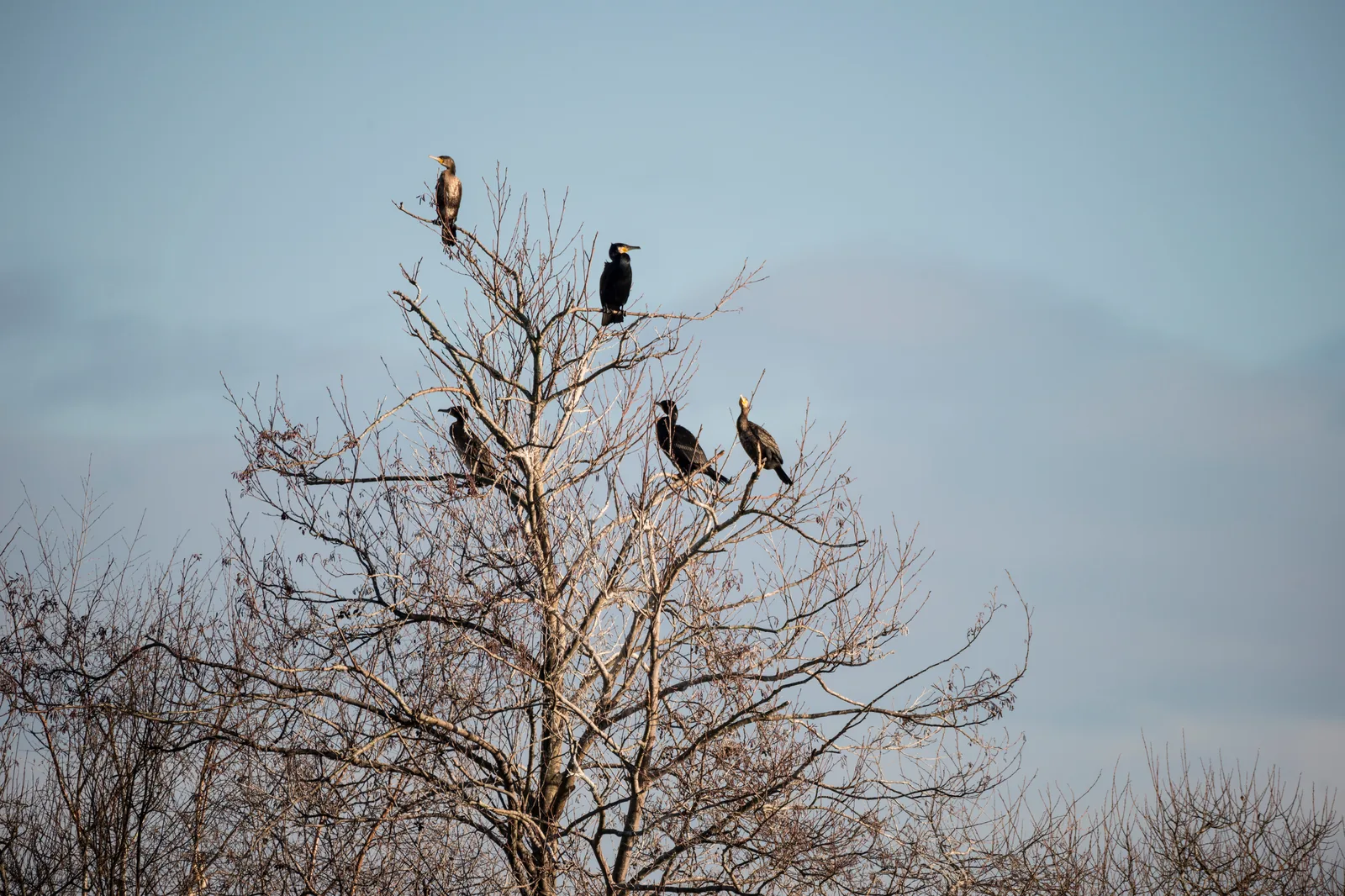
The licensable period for cormorants runs 1 September to 15 April. Natural England don't send decisions outside it. That's their published position, and everything turns on it.
Apply inside the period and you wait 30 working days. File on 1 September, the first day the window is open, and the decision lands on 13 October. The licence still expires 15 April. You get 26 weeks.
Apply before the period opens and the decision is sent at the start of it. File in the middle of August and it arrives on or about 1 September. Same licence, same expiry, 32 weeks.
Six weeks of season, decided by the date you press submit. The birds aren't waiting for October.
You can't apply at all without a log of non-lethal actions covering at least one month before the application. That's Natural England's own wording, listed as supporting evidence you must submit, alongside evidence of the damage.
So an August application isn't an August job. It's a July job that gets sent in August.
Count back from when you want to file. Apply 31 August, log starts 31 July. Apply mid-August, log starts mid-July, which is this week.
There's no buying that month back in the autumn. A month is a month. If the log doesn't exist, the application doesn't go, and you join the 30-working-day queue with the birds already on the water.
The honest objection to an August application is that you're applying before the damage. Most waters have no cormorants on them in July. An application with no birds in it looks thin, and a reviewer who reads thin applications all day will treat it as one.
Natural England ask for evidence of the damage that's happened or is likely to happen. Both. Not only the damage in front of you.
Likely damage is last winter's damage plus a record showing the birds come back. Three winters of counts on a fishery that lost stock in each of them makes the case for this winter on its own. No counts, and you're applying on a hunch, which is the application that gets refused and deserves to be.
Same conclusion from the other direction. The recording is the application.
Two things run in parallel, starting today.
The non-lethal log is the fishery's job. Whatever you already do, the scaring, the wires, the refuges, the dawn walks, it needs recording properly. Date, time, what you did, what happened. Not a line in the minutes six weeks later. Dated entries as you go.
The sighting record is everyone's job. Not the bailiff's, everyone's. It's every member who walks the bank, every visitor, every match angler. One report takes about 30 seconds.
Zero-count days count. "No birds today" on a water that held eight last week is evidence. A log containing only the bad days isn't a record, it's an argument, and it reads like one.
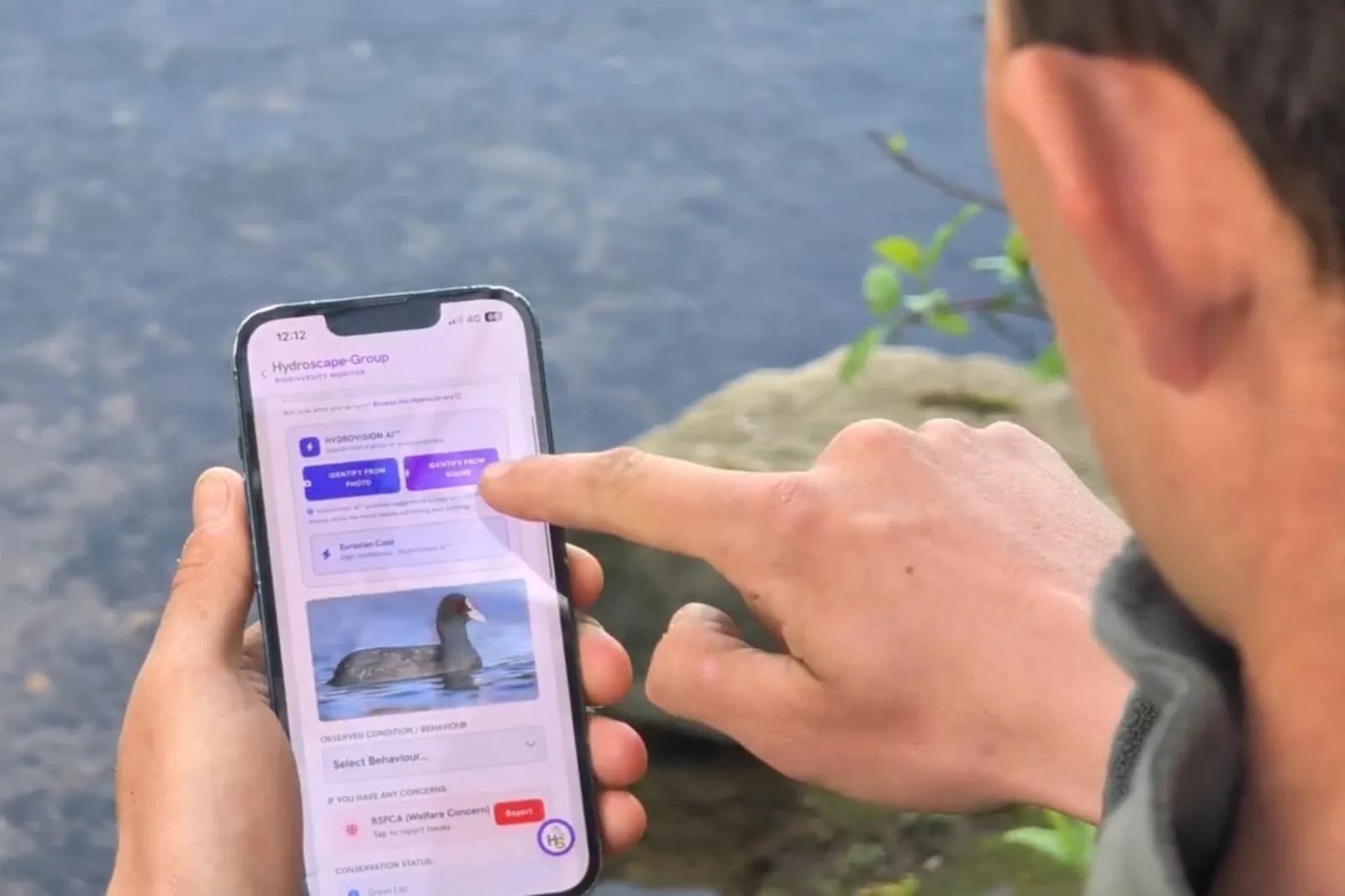
A club of a hundred, one report each a week, puts 600 dated observations in the file by 31 August. Nobody calls that thin.
The form doesn't save. You open it, you finish it, or you start over. Everything is on the table before you go near it.
Natural England want:
- the purpose of the application
- the non-lethal methods you've tried
- the problem and what it's doing to the fishery
- any previous applications
- the species, numbers, location and dates of what you're proposing
- names and addresses of everyone you want authorised on the licence
- wildlife convictions for anyone named on it
Plus the two attachments: the non-lethal log, and the damage evidence.
The licence is free. There's no fee and no advantage to a professionally written application over an honest one with good data underneath it. What gets refused isn't bad prose. It's an empty file.
Or you don't do any of it, and send it to us instead.
We'll do your A06 application — free
Clubs and fisheries work with us on the A06 end-to-end at no cost. Evidence compilation, drafting the application, planning the renewal. Single water or a catchment group going in together under an A06a, same offer either way. It's what we built the tools for and we're reading the same guidance you are.
Work With Us On Your Licence — It's FreeWhat we can't do is the fortnight. Natural England want a month of non-lethal logs sitting behind the application, and nobody can write up a month of records that didn't happen. That part is yours and it starts now.
The decision arrives, if you filed in August. The birds start arriving around the same time, which isn't a coincidence. The licensable period is drawn around when they turn up.
Read the licence properly. It's specific about named individuals, numbers, locations, methods and dates. Everything it authorises is a ceiling, not a target.
This is where most fisheries stop recording, and it's the most expensive habit in the whole cycle.
Every action taken under the licence has to be reported to Natural England. The recording doesn't stop when the licence arrives. It changes gear.
Keep the sighting record running. Keep the non-lethal log running too, because the licence sits on top of deterrence rather than replacing it, and a fishery that stopped scaring the day the licence landed is telling on itself.
Roost counts through the winter. Numbers, dates, locations. Nobody else is collecting it.
This season's log is next season's application. You're not recording for Natural England's benefit. You're recording so that on 1 August 2027 the month of evidence already exists and you're not starting from nothing for the third year running.
The fishery that records through the winter applies in August. The fishery that doesn't applies in September and loses six weeks. Same work, different order, and it compounds every year.
The licence expires 15 April. You have 14 days to file the return, so 29 April.
You file it even if you did nothing. Especially if you did nothing. Natural England are explicit: no report, and they may revoke the licence and refuse future applications. That's not a threat about this year. It's about every year after it.
The same form requests the renewal. The return isn't admin at the end of the season, it's the first move of the next one, and if the log has been running it's already written.
Nothing here costs money. The licence is free. A report is 30 seconds. The log is a notebook. And if the application is the bit that's been stopping you, hand it over. We'll do it end to end, at no cost, for a single water or a catchment group under an A06a.
That's every excuse gone except one, and it's the one with a date on it.
The fishery that gets 32 weeks and the fishery that gets 26 are doing the same amount of work. One of them started in July.
Start the log today. Hand us the rest.
Recording takes 30 seconds and needs no account, no login and no app store. The application is ours if you want it, at no cost, for a single water or a catchment group.
Start Recording — 30 SecondsSources
The dates, thresholds and licence conditions in this piece are drawn from named, citable references.