Summer fish kills aren't a temperature problem. They're an oxygen problem with a temperature trigger. The distinction matters because the response to "the water's hot" looks different from the response to "the water will be hypoxic at 4 AM tomorrow", and only one of those responses keeps fish alive.
Dissolved oxygen falls overnight in every productive water. In hot weather, in a stillwater with algae or heavy weed cover, it can fall below the lethal threshold for hours before dawn. By the time anyone's at the bank, the fish are either dead or piping at the surface. A single afternoon reading tells you nothing about whether that happened.
The Environment Agency responded to 88 serious hot-weather incidents in the South East alone in one summer. A single fisheries team in Cumbria and Lancashire saved over 20,000 fish in one season, half of them in stillwaters. Most of those incidents weren't caused by heat directly. They were caused by what heat does to oxygen.
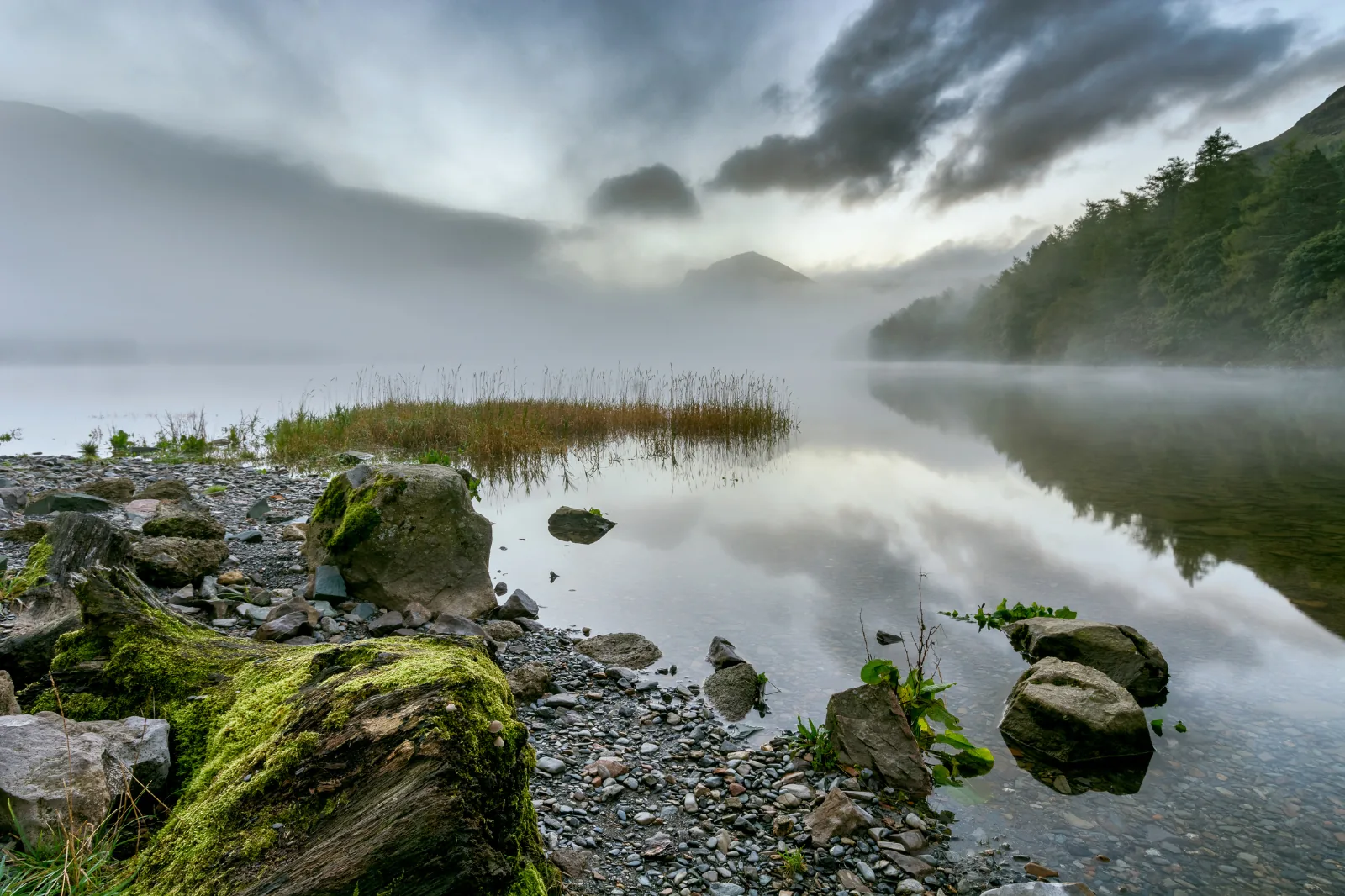
The mechanism
Warmer water holds less oxygen. Freshwater at 20°C holds about 9.1 mg/L of dissolved oxygen at saturation. At 25°C that's 8.3 mg/L. At 30°C around 7.5 mg/L. At 35°C only 7.0 mg/L. Supply ceiling drops every degree the water warms.
Fish oxygen demand goes the other way. Consumption roughly doubles for every 10°C rise within tolerance range. A carp in 25°C water needs about twice as much oxygen per hour as the same carp in 15°C water.
The third factor is the diel cycle. Aquatic plants and algae produce oxygen through photosynthesis when there's daylight. Everything in the water column consumes oxygen through respiration around the clock. Production runs ahead of consumption during the day. At night, production stops and consumption continues. Levels fall.
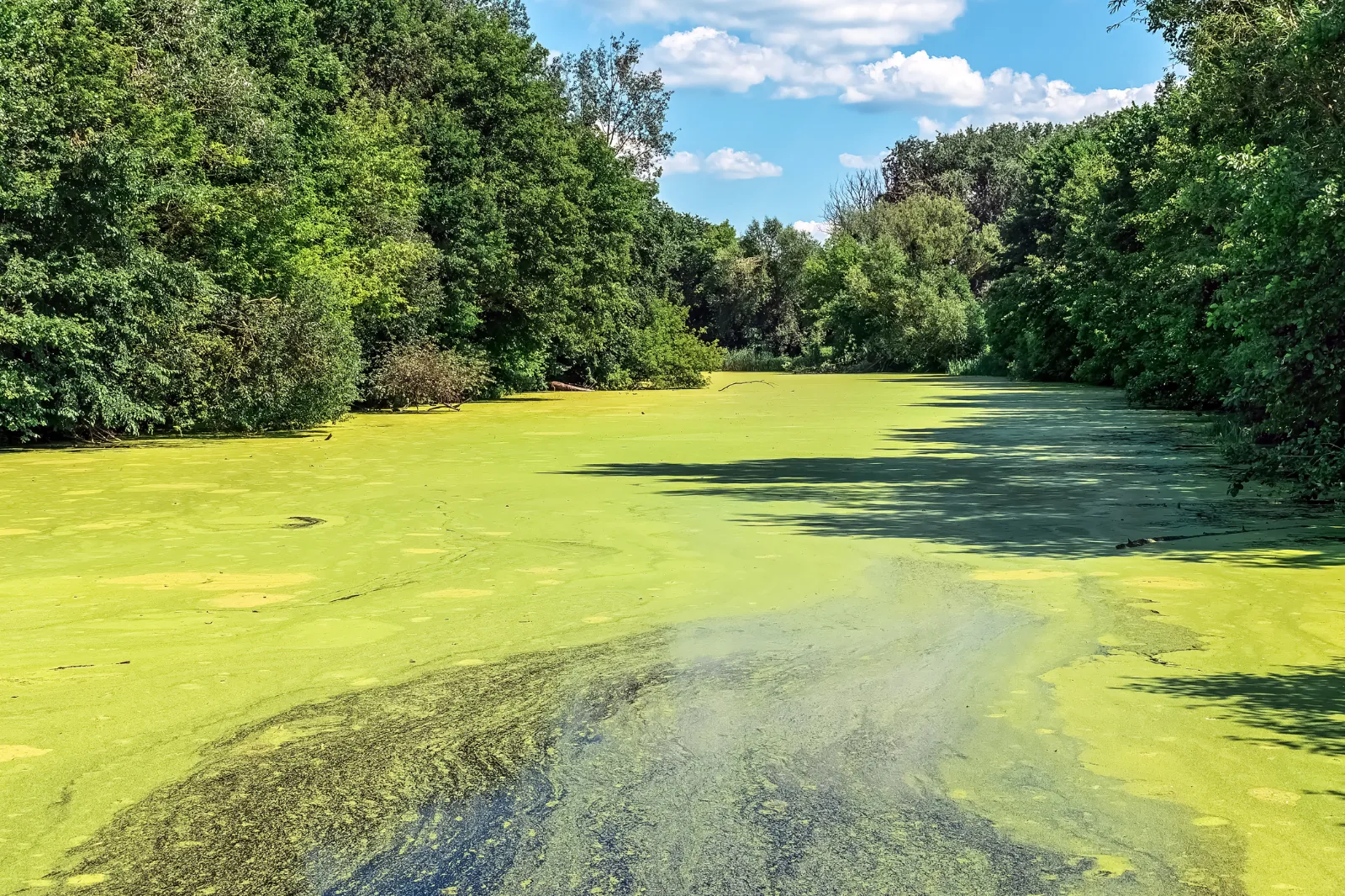
Peak DO is typically late afternoon. Trough is just before dawn. In oligotrophic water the swing might be 1-2 mg/L. In a productive stillwater with algae blooms or dense weed, peer-reviewed monitoring has recorded surface daytime supersaturation coexisting with bottom-water anoxia within the same pond, with diel swings well over 10 mg/L.
The combination that kills fish overnight: warm water, heavy productivity, an overcast afternoon that cuts daytime photosynthesis short, and a warm calm night that prevents surface aeration. Each factor alone is survivable. Stacked together they take levels below the lethal threshold for hours.
A reading of 150% saturation at three in the afternoon is a warning, not a reassurance.
The bigger the daytime peak, the deeper the night-time trough.
Thresholds
For UK coarse fish, the working red line is 3 mg/L. Below that, mortality starts. Stress shows from around 5 mg/L for most warm-water species.
Salmonids need more: 5 mg/L as a minimum, 6 mg/L or above for anything like comfort. Trout and salmon avoid water under 5 mg/L and don't survive sustained exposure below 3 mg/L.
UK river DO standards under the WFD are typology-based, derived from the Freshwater Fish Directive. Salmonid-type rivers are typically required to maintain a 10%ile of 6 mg/L. Cyprinid-type rivers, 4 mg/L.
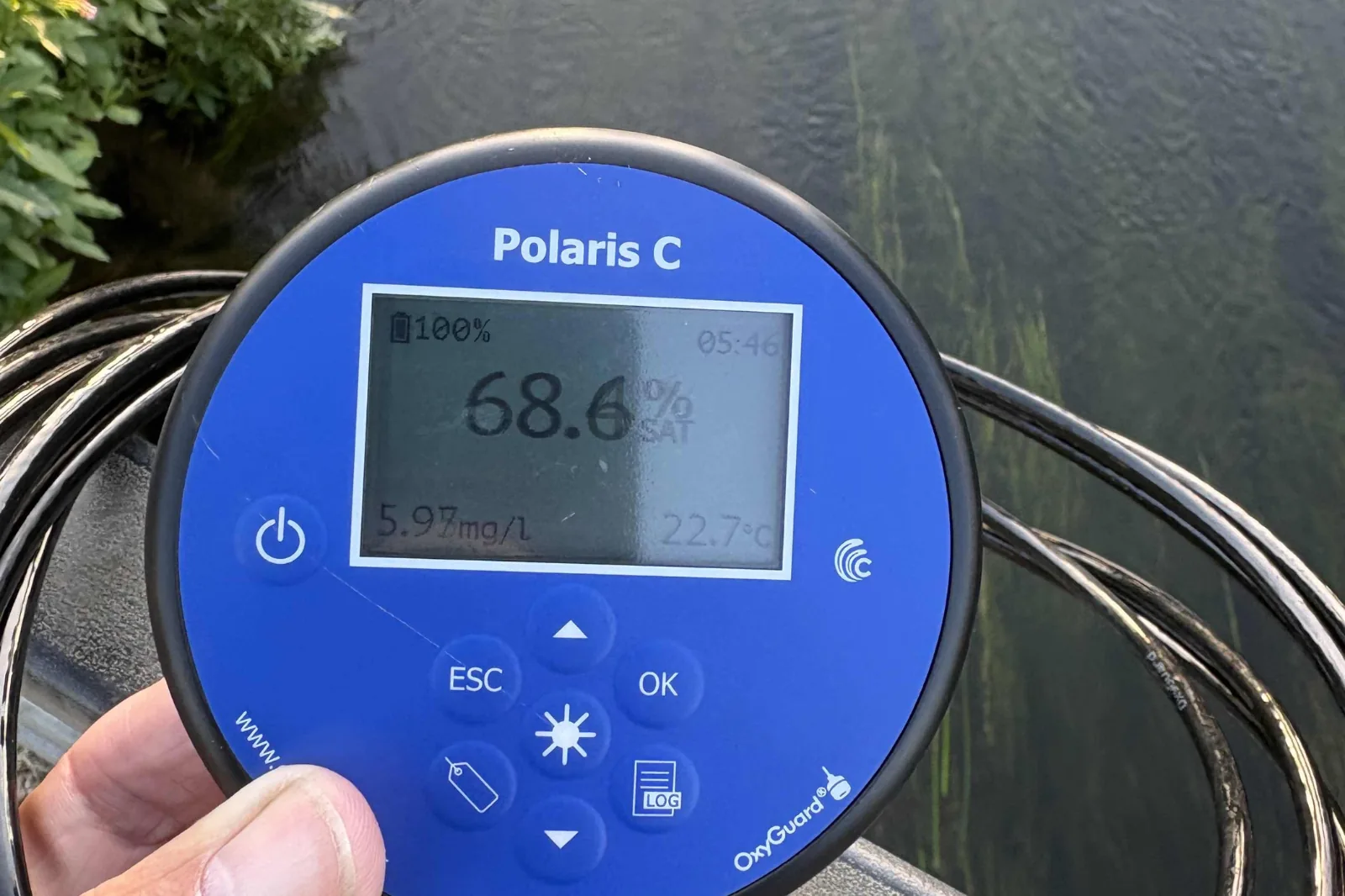
These are concentrations in mg/L (or ppm, which is the same number in freshwater), not percentage saturation. Fish need an absolute amount of dissolved oxygen, not a percentage. At 30°C, 70% saturation is around 5 mg/L, borderline. At 15°C, 70% saturation is over 7 mg/L, fine. Percentage saturation describes the water column. Concentration describes what the fish has access to.
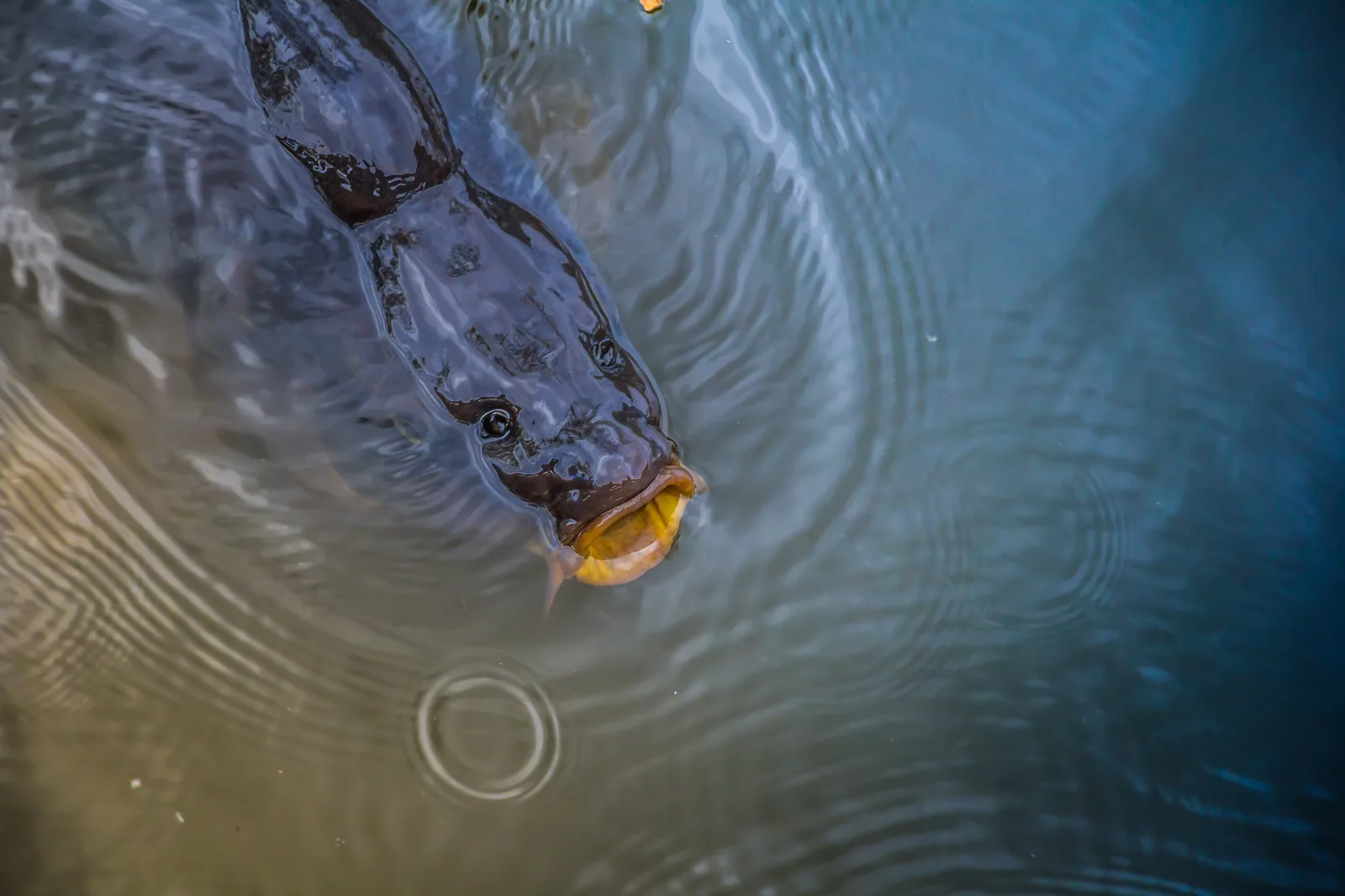
Fish visibly piping at the surface at dawn means oxygen at the gill is already below what their body needs. The reading at that point is confirmation, not warning.
Measurement
The dawn reading is the only safety-relevant one. A single late-afternoon reading represents the daily maximum, not the daily minimum. If a fishery takes one reading a day to monitor summer DO, it should be between four and seven in the morning.
Location matters as much as timing. Stratification in stillwaters means oxygen distribution isn't uniform with depth. Below the thermocline, in still warm summer conditions, the bottom layer can be effectively anoxic while the surface still reads acceptably. Probes need to sample at depth as well as the surface, particularly in waters over two metres deep.
Inflows and outflows are usually the highest-DO points. Weed beds and deep stagnant corners are the lowest. A single mid-water reading from the bank doesn't represent the pond.
DO sensors drift. Membranes degrade. A probe that hasn't been calibrated since the start of the season is not telling you what the display says. Optical sensors drift less than membrane sensors but still need annual sensor-cap replacement and calibration checks.
Single readings on single days are nearly useless for fish-welfare decisions. Pattern over weeks is what matters. A pond logging 6-9 mg/L dawn readings all summer and suddenly logging 4 mg/L is in a different situation from one logging 4-5 mg/L consistently.
Without baseline, every reading is the first reading.
Measures: fisheries and clubs
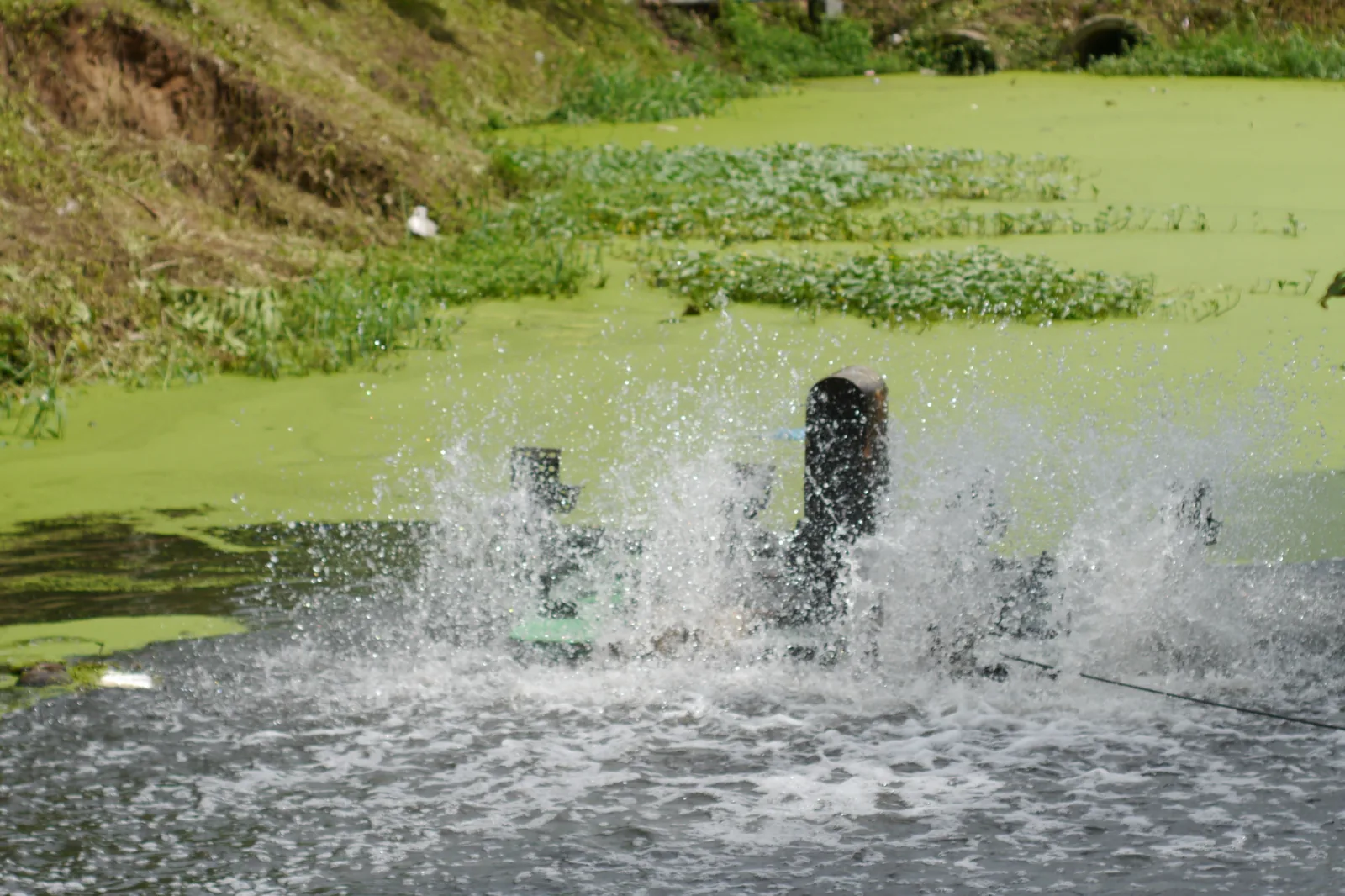
Aeration. Most effective intervention where affordable. Paddle aerators, venturi systems, and bottom-diffuser arrays all work. As a working guide, a one-hectare stillwater with moderate fish biomass needs around 3 to 5 horsepower of aeration capacity to ride out a serious summer event. Less than that and the aerator keeps the corner it's sitting in alive while the rest suffocates. Aeration deployed after dark, when the diel trough starts to bite, gets the most return per running hour.
Weed and algae management. Target keeping plant cover under about 30% of surface area. Above that, night-time respiration load can dominate the oxygen balance in heat, and the diel swing widens dangerously. Below about 10%, plants don't contribute meaningful daytime production. Reducing biomass reduces the swing.
Sediment. Don't disturb bottom sediment in heat. That includes dredging, heavy boat traffic, and concentrated swim baiting in shallow water. Operations that are unproblematic in winter shouldn't happen in July.
Match policy. Write trigger-based cancellation into club rules in advance. A simple rule (no matches when forecast shows water temperatures above 22°C with overnight minimums above 16°C, or when the latest dawn DO reading is below 5 mg/L) gives the match secretary cover and protects the fish.
Reporting. Report fish in distress to the Environment Agency hotline on 0800 80 70 60. EA response includes mobile aeration deployment, advice, and in some cases fish rescue. None of that reaches a fishery that didn't call.
Clubs that have the policy don't have the argument.
What anglers should consider
The honest answer for an individual angler facing a hot still afternoon is sometimes: don't fish. Not as a guilt trip. As a risk framework.
For carp and specimen anglers, the stack of welfare risks in heat compounds. Long fights deplete oxygen reserves in fish already operating on a narrow margin. Air exposure for photos becomes more damaging because the fish was already hypoxic. Pre-baited swims that concentrate fish at dawn put them in the worst position at the worst time. Barbless hooks, short fights, wet hands, properly-sized nets dipped in advance, and unhooking mats are the baseline, not the special-case kit. If the water's at 22°C and the forecast is for another hot night, the decision isn't how to fish carefully; it's whether to be there at all.
For match anglers, keepnet decisions become the dominant welfare question. Keeping coarse fish in a net for five hours in 24°C water isn't the same activity it is at 14°C. Weigh-and-release matches, shorter keepnet limits, and shaded keepnet placement all help. So does cancelling.
The "if in doubt, don't" rule isn't a rule about angler virtue. It's a rule about the fact that the angler at the bank can't see the dawn reading, and the manager who has the dawn reading isn't at the bank. Both sides are making welfare decisions from incomplete information. The angler who chooses not to fish on a difficult day is making the safest decision available with the information they have.
Cost of getting it wrong
Sewage-pollution-linked fish deaths recorded by the Environment Agency rose from 26,690 in 2020-21 to 116,135 in 2023-24, a 176% increase in three years. That figure is only confirmed pollution incidents. Hot-weather-driven kills layer on top, and the two categories interact. A water already stressed by background pollution is more vulnerable to an oxygen crash.
Recovery is years, not weeks. Lost biomass means weakened recruitment for the following spawning season and smaller year-classes coming through for the rest of the decade. Restocking is expensive, partially effective, and doesn't restore genetic structure. Member confidence takes longer to rebuild than the fish do. Fisheries that gamble on summer and lose can take five years to come back. Some don't.
The afternoon temperature reading tells you whether to be worried. The dawn oxygen reading tells you whether to act.
Sources
The numbers, thresholds, and incident data behind this piece are drawn from named, citable references. Every claim of fact is traceable.