You've signed the petition. Probably shared it, tagged a couple of mates, felt like you'd done your bit for the fishery. And the cormorants worked your water this winter the same as they did last winter, and the winter before that.
That isn't bad luck. This is the third go at putting cormorants on the general licence in ten years, and it has never come close. If you're honest, some part of you knew that when you clicked.
You signed it anyway, because signing is easy and it feels like standing up for your water. It isn't. It's the easy option and it's the vain one. You get to feel like you fought for the place without giving up a single evening.
Same ask, third time round. Government has already said no more than once, and nothing about the question has changed since. Put the same thing in front of the same department and the same letter comes back.
Signing it again, with more of you shouting, doesn't change a word of that.
This is the one that actually settles it. Nobody gets a wildlife law changed by showing a minister how many anglers are fed up.
What he wants is evidence. Proof of serious damage, on real water, at a scale that means something. There's none of that in a petition. There's a pile of names and postcodes. And the bird numbers everyone throws about aren't even a proper count. They come from a survey built to monitor waterbirds for conservation, not to work out what they're eating or where, stretched to cover the whole country.
You're trying to win an argument about evidence without any. The people on the other side turn up with plenty.
A petition tells a minister anglers are angry. He knew that. It's the proof he's waiting on, and there's none of it in there.
A petition lives on numbers, and most anglers won't even give it the click you gave it.
The bloke who gets down twice a month and puts a slow day down to the weather isn't signing anything. So it comes down to the few who really feel it, and the few are never enough. Hundreds of thousands of us fish this country, and these petitions barely scrape five figures.
Ten thousand names gets you a written reply, and that reply is a civil servant politely restating the exact policy you were trying to shift.
A hundred thousand might get you a debate in Westminster Hall, half the seats empty, on a quiet afternoon, and it still changes nothing because it can't. A petition can't rewrite a law. It was never meant to.
The groups on the other side of this don't bother with petitions. They pay for the surveys, get the papers published, and when they want something changed they take it to court.
That's the difference. One side builds a case and argues it in front of a judge. The other collects signatures and waits by the letterbox. Have a look at who's shifted wildlife policy these last ten years. It wasn't the side with the petitions.
And here's the part that really stings. Say it worked. Say the petition got its million names and cormorants went on the general licence next week.
You'd still have to prove serious damage on your own water before you touched a bird. A general licence doesn't get rid of the evidence test, it just hands it to you instead of to Natural England. All that shouting, and you land straight back on the one thing you never had.
Win or lose the petition, you end up in the same place, being told to show the damage. You could have started there.
Cormorants don't get controlled because anglers shouted loud enough. They never have. A fishery earns the right to deal with the birds on its water when it can prove serious damage on that water, with a record nobody can wave away. That record is the only thing that has ever moved this, and there's no petition in it.
It comes from someone doing the dull, unglamorous graft of writing it down. What the birds are doing, how many, which stretch, week after week, winter after winter. There's no share button on that, and it takes years, which is exactly why it's worth something. The evidence that changes this is the evidence almost nobody can be bothered to gather.
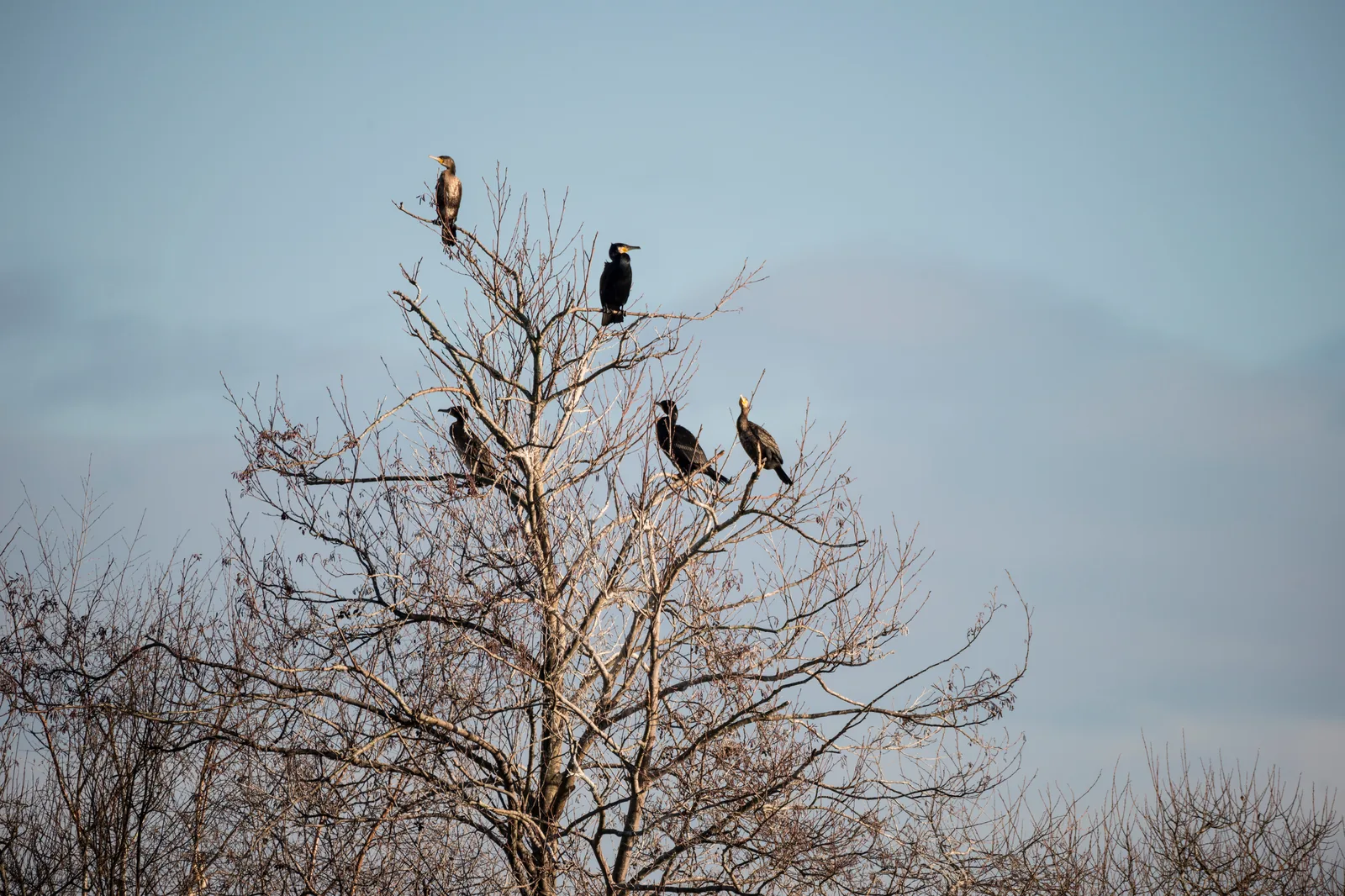
It's time we grew up about what moves this. Stop waiting for a petition to save your water and start keeping the record that counts. Change isn't made by shouting, and cormorants aren't controlled because you were loud. They're controlled because someone proved it.
Nobody ever saved a water with a signature. The record you keep this winter is worth more than every petition you'll sign.
Record it. We'll do the paperwork — free
Hydroscape gives fishery managers a free way to log cormorant activity that holds up as evidence, and we'll complete the A06 licence application for you end to end, at no cost. The whole point is to get these birds managed on a record instead of an argument.
Start Recording — It's FreeSources
The claims in this piece, and where they come from.