Say a word about cormorants on a river and someone will tell you we emptied the sea, so we've only ourselves to blame.
It goes like this. We overfished the North Sea and let the sandeels go. The birds had nowhere left to feed, so they came inland to us. We invited them in. We've no business complaining, and certainly no business reaching for a gun. We made this bed.
It's made in good faith, mostly by people who think of themselves as being on the side of nature. It's still wrong, and not on a technicality.
We should say where we stand. We build the tools anglers and fisheries use to record what these birds actually do, and we hold a large and growing dataset on cormorant behaviour on UK fresh water. The cormorant work is free to use and always has been. It runs at a loss and we run it anyway, because somebody has to hold the numbers this argument keeps being made without.
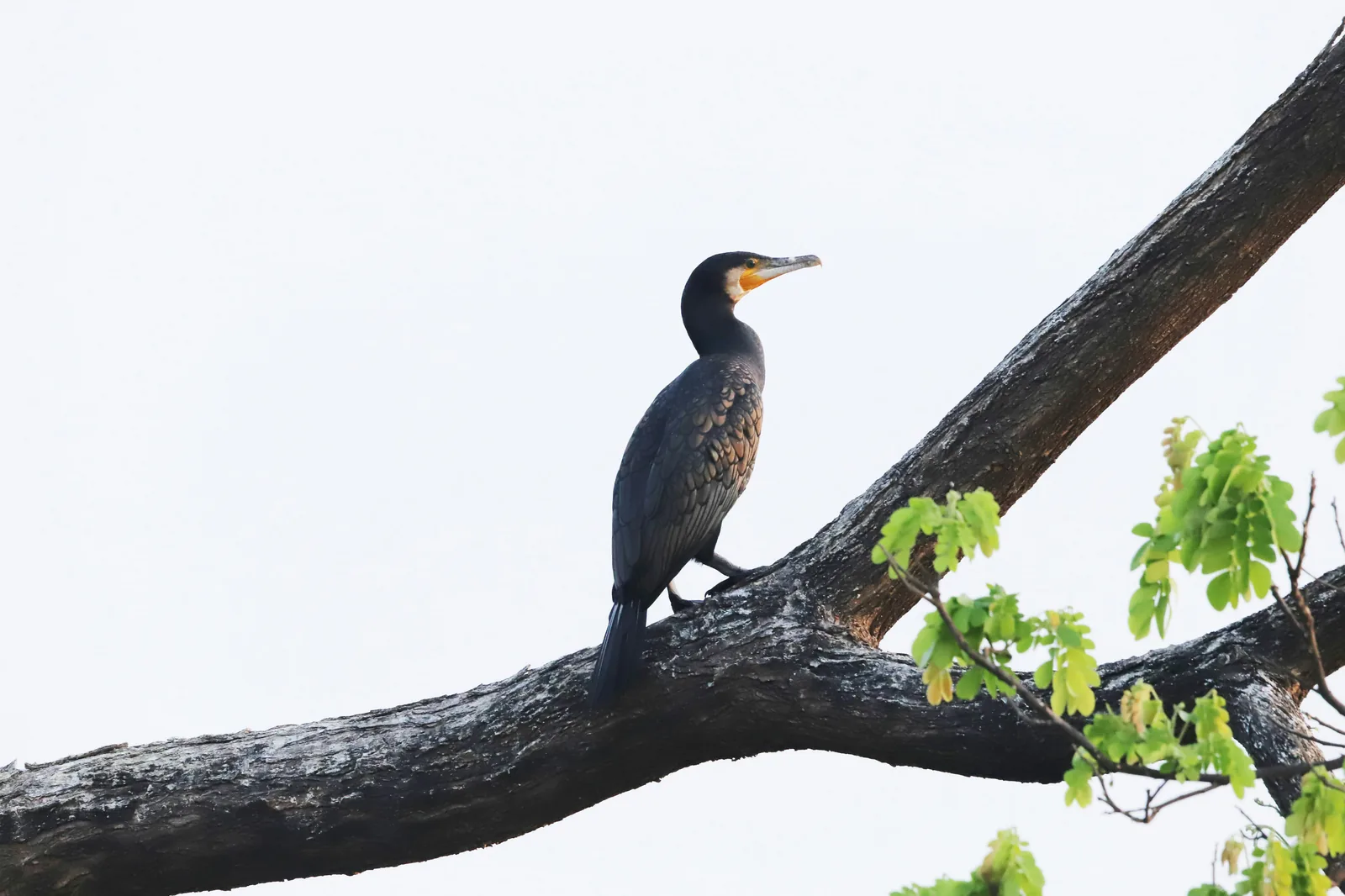
They didn't come from our sea
Inland breeding in Britain didn't start on a sea cliff. It started with continental birds, the sinensis race, arriving from the freshwater colonies of the Netherlands and Denmark. The first inland colony was at Abberton reservoir in Essex in 1981, and inland breeding has spread from there ever since. Those birds were not out over the North Sea and then driven inland. They were freshwater birds, from freshwater populations, moving into freshwater habitat. We've set out that case in full, with the sources, in Are You Really On The Right Side Here? and in our Cormorant Subspecies Identification Guide.
The label doesn't survive much contact with the bird either. A cormorant feeds on the coast and it feeds on fresh water, and it always has. Its plumage isn't fully waterproof. The outer feathers soak up water like a sponge, which is the whole reason it sits on a post with its wings out after a session. A bird that has to haul out and dry off isn't built for a life at sea. Petrels and auks stay out there for months at a stretch. A cormorant can't manage an afternoon.
They didn't leave a British coast because we stripped it. The 1979 Birds Directive stopped the shooting, a continental population that had been hammered for centuries recovered hard, and we handed it a freshwater larder of new reservoirs and flooded gravel pits.
A bird pushed off the sea and a bird spreading into new ground are two different stories. The emptied-sea argument tells the first one. What's on your water is mostly the second.
They didn't run out of sea. We gave them somewhere better.
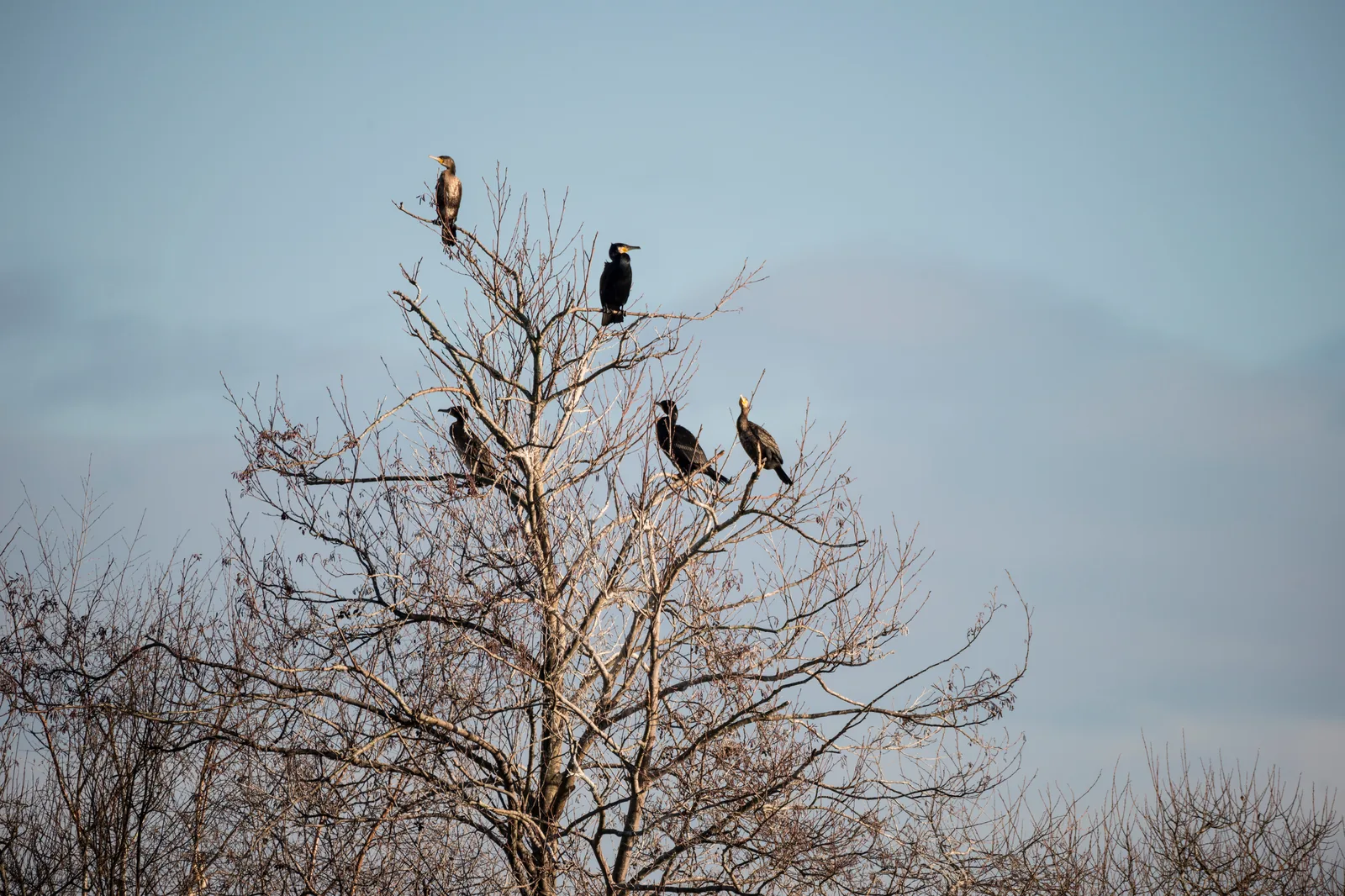
Grant it anyway
Parts of it are true, and worth saying out loud. The sea is in a bad way and we did that. Our commercial stillwaters are stocked to the gills, easy pickings for anything that can dive, and we built those too. Cormorants are opportunists. They go where the food is easy and we laid on the buffet. A thoughtful person can look at all of it and conclude the conflict is a mess of our own making.
So grant every man-made part of it. Say the sea is our fault, the stocked stillwater is our fault, the easy feeding is our fault.
None of it is the fish's fault. The roach in your margins did not overfish the North Sea. The dace shoal did not warm the Channel. When we decide that freshwater fish, and the rivers and lakes and the people who look after them, should quietly absorb the consequence of what we did to the sea, we are not protecting the environment. We are doing penance. We've found a part of nature we don't feel guilty about and decided it can pay for the part we do.
Penance protects nothing. It moves the damage somewhere quieter. A healthy fishery hollowed out to settle a debt owed by a broken sea is not a conservation win. It's one loss laid on top of another and called humility.
A question about numbers
This isn't a case for shooting them and it isn't a case against. It's a case for deciding on evidence rather than on whichever story flatters us most. Whether a bird is doing enough damage to warrant control, on a given water, in a given season, is a question about numbers. Numbers are the one thing this argument keeps reaching for and rarely has to hand.
That's the part we can fix. A club with two seasons of structured records on what the cormorants are actually doing has a different conversation with Natural England than a club with a hunch and a scarer receipt. That conversation starts the day someone writes it down.
Feeling bad about the sea costs nothing. Recording what happens on your own water costs an evening a week, and it changes what gets decided.
Guilt is cheap. Responsibility costs.
The Hydroscape Team
Start writing it down.
The cormorant reporting tools are free to use and need no account. Every record adds to the national picture.
Hydroscape is a freshwater biodiversity monitoring platform built by fishery managers with decades of hands-on experience in water management, biodiversity, habitat improvement, and freshwater ecology.
hydroscape-group.co.uk · info@hydroscape-group.co.uk