The A06 licensable season for cormorants runs from 1 September to 15 April. It has just closed. Between now and September it feels like there is nothing to do. The birds have mostly gone back to continental Europe. The water is warming up. The rudd are tailing. Friday nights are long and the car park at your syndicate is full again.
And so the logbook goes in the drawer.
This is the most expensive drawer in angling.
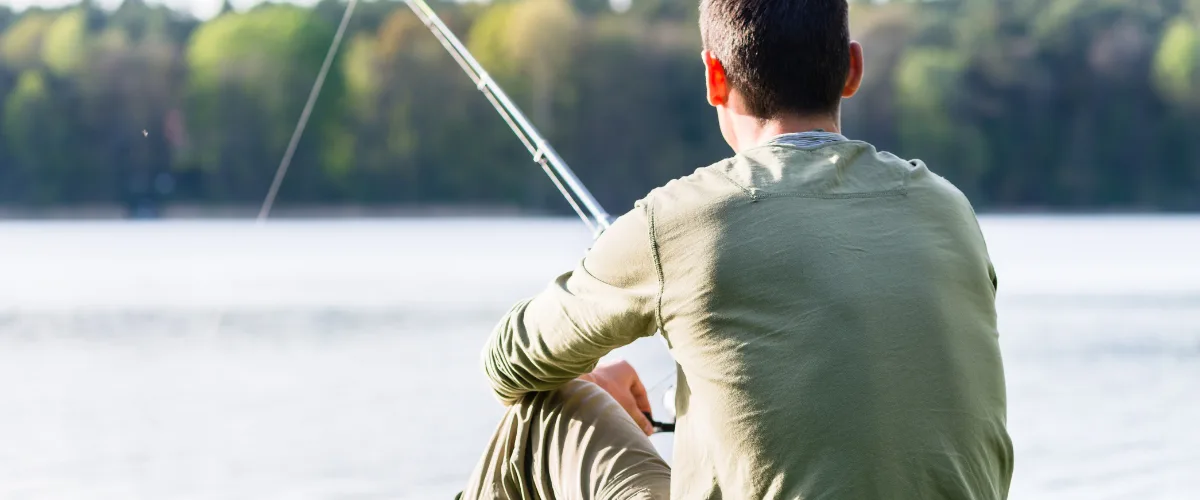
Spring is when everyone relaxes. That's what makes it the most important time to keep reporting.
Why We All Switch Off In April
It's completely understandable. The days are longer. The weather is nicer. You've waited six months for this. The last thing anyone wants to do on a May evening is sit down and fill in a form about a bird that isn't there.
This is also exactly what the system is counting on you not to do.
Because the fishery that submits an A06 application in late September with six weeks of panic-mode data from autumn looks, to the reviewer, indistinguishable from the fishery that has no problem. Both have thin logbooks. Both missed the off-season. Both get the same treatment.
The Real Maths
Say you start recording on 1 October, when the birds return. You log six weeks of sightings, then compile an application. You submit in mid-November. Natural England's published decision window is 30 working days, which takes you to late December at the earliest — often longer. You have, at best, January through mid-April to act on the licence.
That is three and a half months of protection out of a seven-month licensable season. You've lost half the window before you started.
And if the application is refused for thin evidence? You're restarting in October 2026 for a licence that might arrive in February 2027. The first season your fishery has meaningful A06 cover is autumn 2027.
They Read Logbooks Like a Mortgage Underwriter Reads a Bank Statement
Natural England reviewers don't just want to see cormorants. They want to see the shape of the year. Sustained recording that demonstrates you understand predation pressure in context — including the months when there isn't any.
A logbook that shows "no cormorants seen, 3 May" is a valid, helpful data point. It proves two things at once: your monitoring is real, and predation on your water correlates with arrival rather than being background noise. That's exactly the story a successful application tells.
A logbook that only exists from October to December looks like panic. A logbook that exists year-round looks like management.
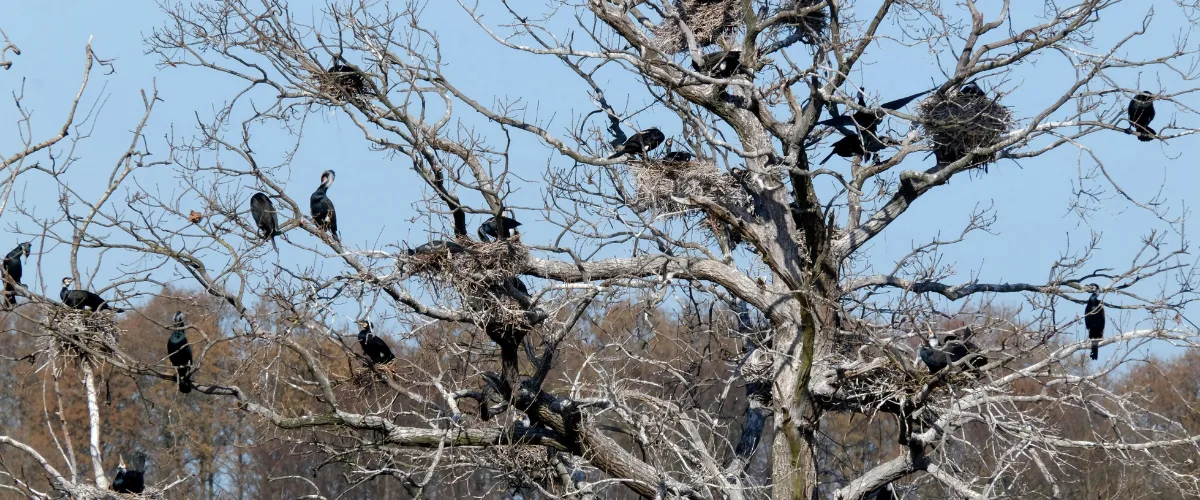
What the reviewer wants to see in your logbook: the full shape of the year, not just the peak.
| Scenario | What the Reviewer Sees | Outcome |
|---|---|---|
| Start recording April | Year-round monitoring, demonstrable baseline, sustained commitment | Strong case. Submit early September. Realistic approval by October. Full season protected. |
| Start recording October | Six weeks of reactive data, no baseline, looks like a rush job | Weak case. Submit mid-November at best. Decision late December. Half the season gone. |
| Wait until it gets "bad enough" | One panicked spreadsheet in November | Refusal likely. Reapply next year. 2027 is the earliest real protection. |
Everyone Reports. The Fishery Handles the Licence.
There's a division of labour here that most clubs haven't quite worked out yet.
Every angler reports. Every session, every visitor, every walk along the bank. Members, visitors, day-ticket holders, the bloke who knocks on the gate with his son. If they're there, they can report. Thirty seconds on a phone. No account, no login, no app store. If they see no birds, that gets logged too. That's the point.
The fishery — or the club committee — handles the licence. That's the bit that needs dedicated work: compiling the evidence, drafting the application, managing the renewal. That's not a job for a casual angler and it's not something volunteers should be trying to work out from scratch.
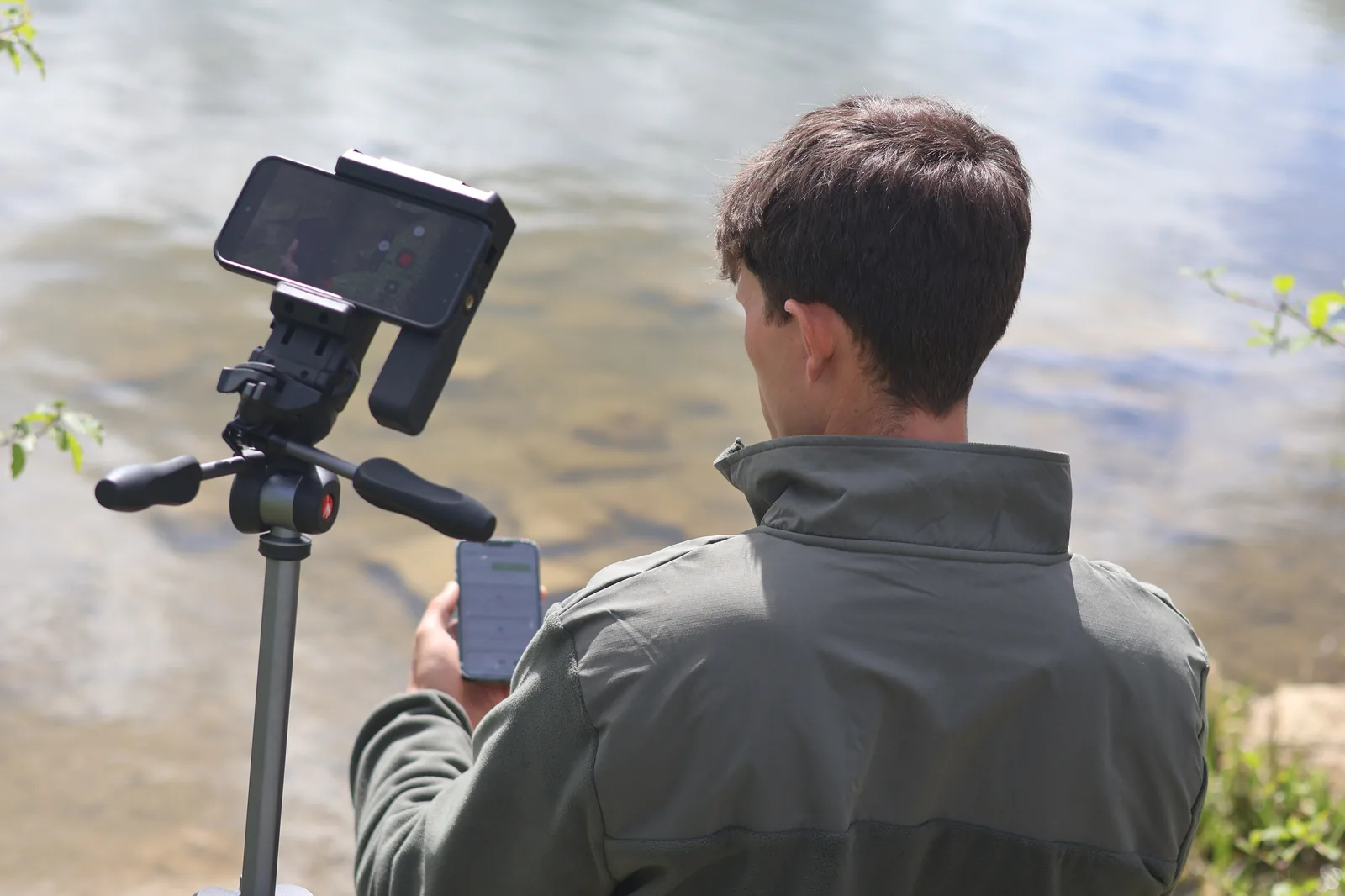
Thirty seconds. One phone. GPS-tagged, timestamped, AI-screened. Anyone on the bank can do this.
The 90-Second Rule
Most arguments against routine reporting come down to time. So let's be precise about how much time is actually involved.
A single Hydroscape report takes about 30 seconds. If every member of your club submits one report per week during spring and summer — even a blank "no birds seen today" — a club of a hundred produces 1,600 data points between now and September. That is not a thin logbook.
And it costs each member 90 seconds a fortnight. That is less time than they spend tying one decent hair rig.
Your fishery can work with us on the licence — free
The application itself is the dedicated work. Committees shouldn't be figuring it out from scratch when we've already built the tools. Clubs and fisheries can work with Hydroscape on their A06 application end-to-end, at no cost. Evidence compilation, application drafting, renewal planning. Completely free.
Get In Touch — It's FreeThe Simple Timeline
Now → end of August: everyone who visits the water records, every week. Members, visitors, anyone. Zero-count days are valid. The committee uses this time to read the A06 guide and understand what an application looks like. Hydroscape handles the technical side for free if you'd like a hand.
Early September: submit the application with five months of structured baseline data plus the first signs of returning birds. This is the strongest possible moment to apply.
Early October: realistic decision. You have the full arrival-to-April window to act on the licence.
April 2027: renewal, with a year of licence-period data plus another summer of baseline already in the bank. Every subsequent application gets easier.
The Honest Version
Nobody's going to chase you about this. The cormorants can't. The reviewers won't. Your fellow members probably won't. It is entirely possible to do nothing from now until October and tell yourself you'll sort it out later.
But "sort it out later" is how every refused application starts. And it's how your fishery ends up defending a 2027 decision with 2026 data that doesn't exist yet.
Nineteen weeks. Thirty seconds a report. Free tools. The bit that's in your hands is the bit that matters most.
You've Been Here Before
You've watched petitions come and go. You've watched committee meetings with DEFRA turn into press releases. You've watched the national cap sit at 3,000 for years while your fish stocks quietly disappeared. You've heard "this time we'll sort it" more times than you can count.
Nobody blames you for reading this far with your arms folded.
So here's what's actually different this time — in plain terms, with no chest-beating. Read it, judge it, and make your own mind up.
Built by Fishery People, for Fishery People
Every tool in the platform exists because a fishery manager standing at the water's edge asked for it. This isn't a generic conservation tool retrofitted to angling. It isn't a lobbyist's idea of what a fishery needs. It was built from inside the problem, by people who have spent decades managing fisheries, improving habitat, applying for licences, and losing fish to predation. If it sounds like it was designed by someone who has actually stood on a bank at dawn watching cormorants tear a stock apart, that's because it was.
Evidence, Not Advocacy
Every previous push has tried to change the system by changing minds. Letters to MPs. Petitions. Meetings. More petitions. It hasn't worked, and it won't — because DEFRA and Natural England don't set policy on sentiment. They set it on evidence.
This platform doesn't ask them to change their minds. It builds the application volume that makes the decision for them. The national cap doesn't move because the case for moving it has never been compiled at scale. We're compiling it. Every sighting is another brick in that wall.
Shipping, Not Planning
This isn't a concept paper or a pilot. It's already running. Over 10,000 verified sightings on the national map. AI checking every submitted photo. A 1,004-species reference library. An A06 Master Builder that formats evidence to Natural England's five tests. A biodiversity audit tool that calculates Shannon, Simpson, and Evenness live from the sightings data. All live today, used by real fisheries, submitting real applications.
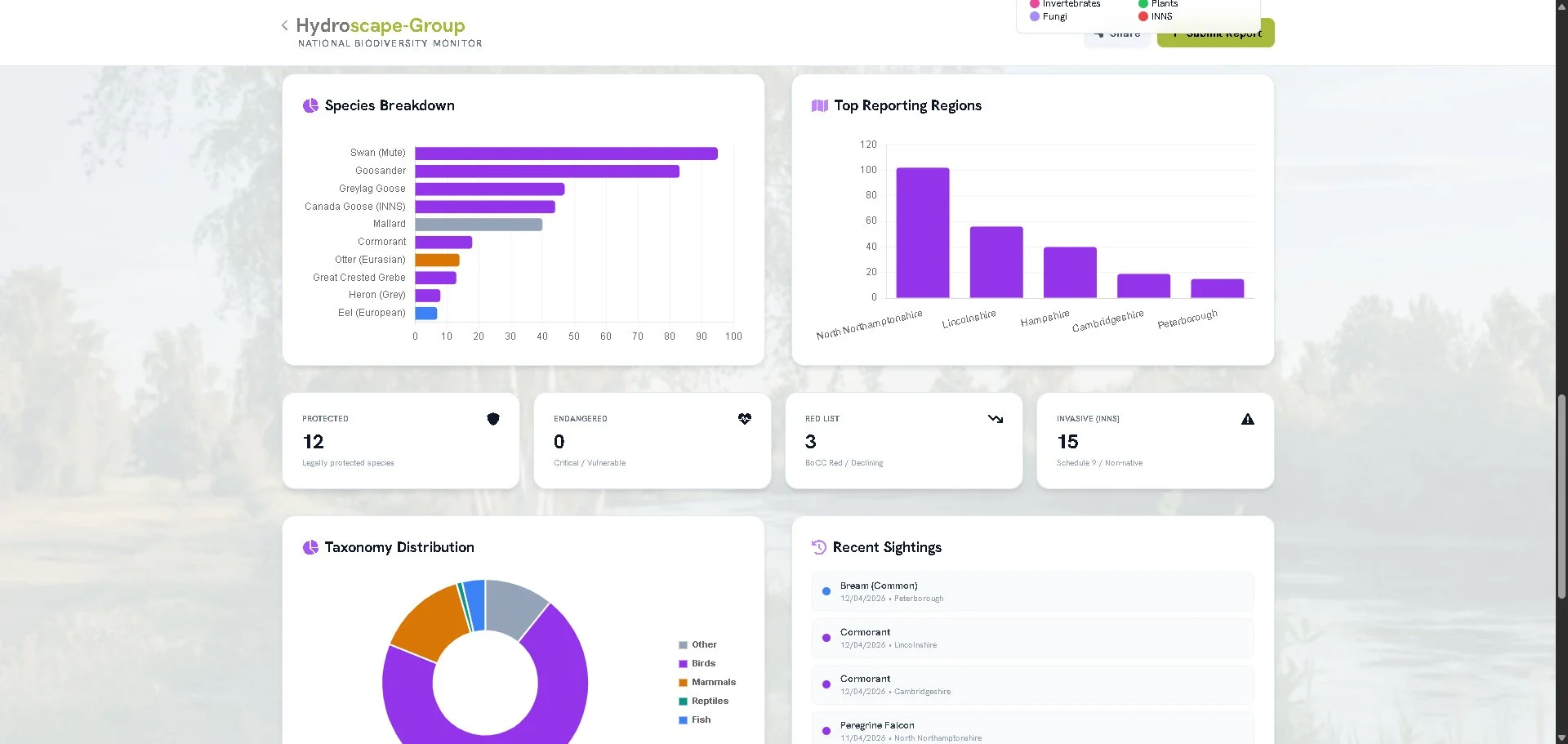
The live dashboard today. Cormorants recorded in Lincolnshire and Cambridgeshire last week. Real tools, real reports, real fisheries.
Plugged Into the Actual System
We're not building a parallel movement to Natural England. We feed directly into their process. Every A06 application we help compile goes through their official channels, meets their published tests, uses their forms. Every sighting becomes evidence the regulator recognises — because it's GPS-tagged, timestamped, AI-screened where a photograph is attached, and audit-logged to a standard their assessors trust.
No Committee. No Middleman. No Bureaucracy.
A tool that needs fixing gets fixed this week. A feature a club asks for gets built. We move at the pace of the problem, not the pace of quarterly trustee meetings and year-long strategy reviews. When a bailiff emails with "we need this to also do X", X tends to exist by the weekend.
We'd Rather Show Than Tell
All of the above is words on a page. The actual proof is in the tools. Open the reporting form. Browse the species library. Read the A06 guide. Look at the dashboard. Email us with an awkward question and see how quickly someone answers.
We don't need you to trust us. We need you to use us. That's how we earn the rest.
A Word for the People with Platforms
There is a specific group of people reading this who already know everything above. You've posted about it. You've sat round the van with the lads and ranted about it. You've had the chairman on the phone about it.
You run a YouTube channel. Or a tackle brand. Or a fishing magazine. Or a podcast. Or a consultancy. Or a shop with a social following. Or you're a sponsored angler whose name sells product. Your livelihood, wholly or partly, comes from a sport that cannot function without fish in the water.
The cormorant problem is in your comments section every week. You know the faces, you know the arguments, you know the numbers. You post frustration, and your audience agrees with you, and everyone moves on.
This is the bit where that becomes a choice.
Four Things That Cost You Nothing
1. Link the form when you post about cormorants. Your audience will click. That's a verified sighting that wouldn't have existed. hydroscape-group.co.uk
2. Pin a link. Channel description. Instagram bio. Pinned tweet. Pinned comment on every cormorant video you've ever made. One-time action, permanent value.
3. Let us pull your regional data. Making content about the Avon, the Trent, the Broads? We'll send you the cormorant density map and the verified sighting count for your catchment. Makes your content stronger. Credits Hydroscape. Costs nothing. Email info@hydroscape-group.co.uk.
4. Use your network. If you're a tackle brand with sponsored anglers on your books, ask them to mention the form once. If you run a magazine, mention it in your next issue. One nudge from the top reaches more anglers in a week than organic growth does in a year.
And If You Want to Go Further
If your audience is large and your position is public, we'd rather have the conversation properly. A co-produced piece. A joint article built from the sightings reports. A podcast appearance. Co-branded outreach to your community. Anything that gets more reports into the system and more pressure onto the policy.
We don't charge for any of it. We don't want your sponsorship money. We want your audience to become part of the solution, because the maths doesn't work without them.
Your 2026 Application Starts This Week
Open the reporting form. Submit one sighting — even a zero-count one. Forward this page to your club chairman, your syndicate secretary, or your match captain. That's today's job done.
Submit a Report — 30 SecondsFrom Predation to Protection — A06 Licence Guide
The full 10-step guide to the Natural England A06 process, with free tools at every stage. Read the guide →
Know Your Cormorant — Subspecies ID Guide
Telling P. c. carbo from P. c. sinensis on the water — and why it strengthens your application. Read the guide →
The Change Funnel — From Sighting to Regulatory Action
How a single report becomes the evidence base that moves licensing policy. Read the article →