Britain has no shortage of people who care about its freshwaters.
Anglers care. Conservationists care. Catchment volunteers care. Water company employees, on a good day, care. Dirty Business drew an audience of millions. River pollution petitions get hundreds of thousands of signatures. Predation footage goes viral on Instagram. Sewage maps get more shares in a week than most government policy gets in a year.
What Britain has a shortage of is people willing to do anything about it.
This is the bit that needs saying. Caring about a problem and acting on a problem are different things, and one of them is currently doing all the heavy lifting in this country while the other is doing the work that actually counts.
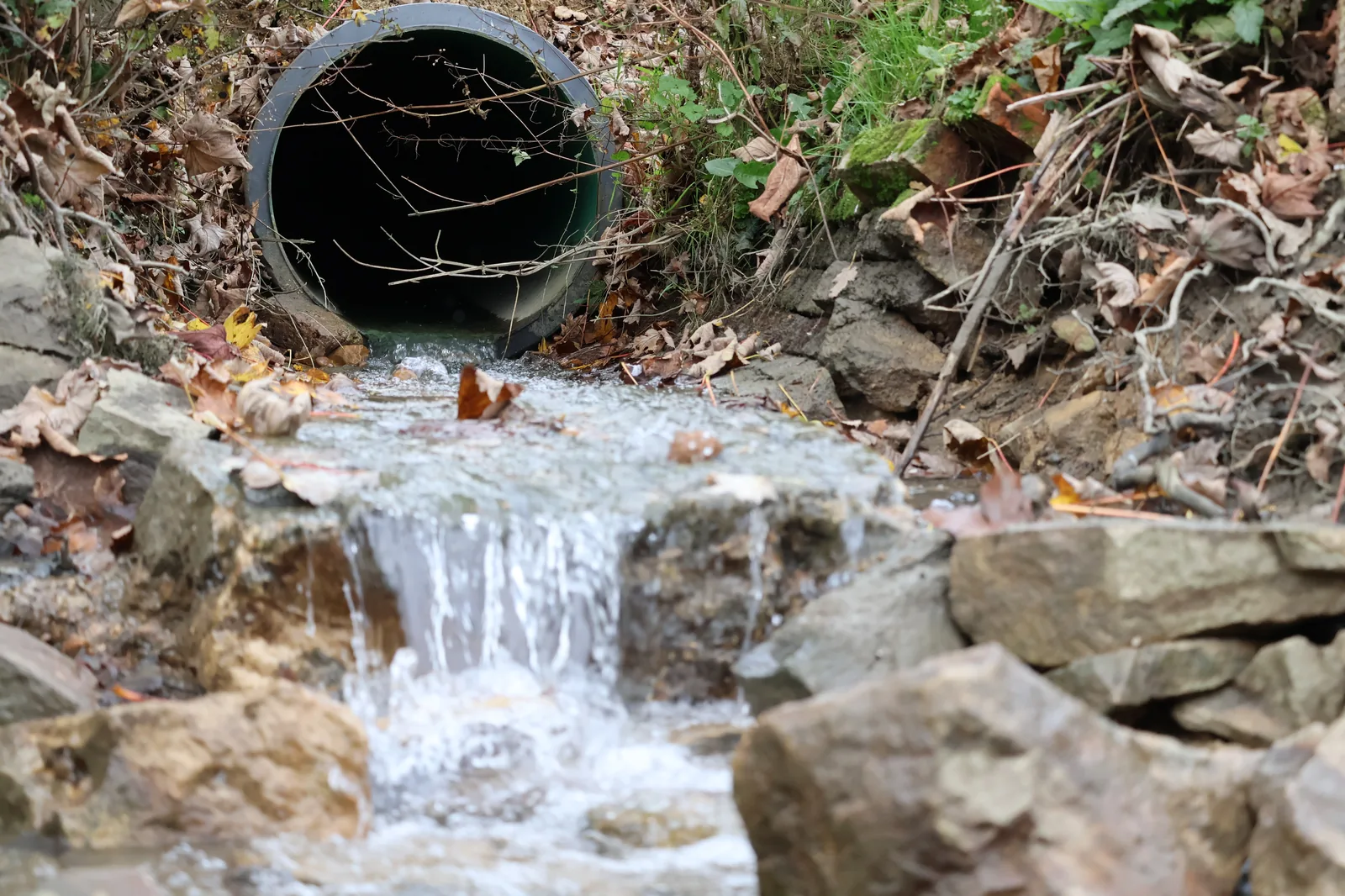
The performance economy of environmental concern
Watching a documentary about pollution is not activism. It is consumption. Scrolling a thread of horrified replies to a sewage discharge map is not activism. It is consumption. Sharing an angry post about a fish kill is not activism. It is the performance of activism, which is closer to consumption than it is to anything else.
This is uncomfortable to write because it implicates almost everyone, including most of the people who would describe themselves as caring most. But the discomfort is the point. The performance of environmental concern has become so frictionless, so emotionally satisfying, and so socially rewarded that it has displaced the boring work it was supposed to motivate.
You signed the petition. Then what? You watched the documentary. Then what? You shared the post, you tutted at the news, you told your friends at the pub how disgusting it all is. Then what?
For most people, then what is nothing. The documentary ends, the petition closes, the post drifts down the feed, and life moves on with the comfortable feeling of having engaged. The water you watched the documentary about is in exactly the state it was in before you watched. The fish that featured in the predation footage are in exactly the same trouble. The pollution you signed against is being discharged at the same rate it was when you signed.
The only thing that changed is how you feel about it.
Why this matters
Environmental decisions in this country — and in any country with a functioning regulatory framework — are made on evidence. Licencing decisions, abstraction reviews, habitat designations, catchment plans, water company enforcement, prosecution of pollution events. All of it runs on the documentary record of what is happening on the ground.
Nobody at the Environment Agency is reading your Facebook post. Nobody at Natural England is counting petition signatures when they decide a licence application. Nobody at Defra is changing policy because of a TV documentary, however good. Decisions are made on data: who saw what, where, when, photographed and timestamped and verifiable. Petitions inform the political weather; they do not determine the regulatory outcome. Documentaries reach the public; they do not change the file in front of the caseworker.
The file in front of the caseworker is built from observations. Real ones. From real people who turned up, looked, recorded what they saw, and submitted it. That work is being done by a small minority — riverfly volunteers, club bailiffs, the handful of trust officers who have time to record at all, the genuine citizen scientists who treat it as a discipline. The other ninety-something percent of people who say they care are watching, signing, posting, and going to bed.
This isn't a moral failure. It is an architectural one. For most of recent history there has been no easy way for an ordinary person to contribute to the documentary record. Reporting required forms, expertise, time, sometimes membership of an organisation. The path of least resistance was always the post and the petition, because the post and the petition were the only things you could do from your armchair. Performance was the only available action.
That is no longer true. The path of least resistance now includes the option of contributing actual, verified, regulator-grade evidence in thirty seconds, from a phone, while you're sitting on the bank or walking the dog by the river.
The petition still exists. The documentary still exists. They are still allowed. But they are no longer the only available action — and continuing to treat them as a substitute for action is, increasingly, a choice.
Three honest questions
If you've shared a post about pollution in the last twelve months, did you also submit a single observation of water quality from your local stretch in the same period? If the honest answer is no, your engagement with the issue is performance. Not malicious, not fake, but performance.
If you've watched a documentary about freshwater predation and felt strongly about it, did you record what you saw on your last visit to the bank? If the honest answer is no, your engagement with the issue is performance.
If you've signed a petition about a designated habitat and considered yourself one of its defenders, did you record any of the species presence on the habitat in question? If the honest answer is no, your engagement with the issue is performance.
These are uncomfortable questions because the honest answer is usually no, even for people who care a great deal. The questions aren't intended to humiliate. They are intended to surface the gap between caring and acting — a gap that has, until very recently, been impossible to close from an armchair.
It is now possible to close it from an armchair. Or rather, to close it on the way home from the bank, in thirty seconds, with a phone.
Some of us give our lives to this
Here is what gets left out of the documentary. The riverfly volunteer who's been wading the same stretch every spring for nineteen years. The bailiff who walks the bank in February at five in the morning so a club's evidence base actually holds up. The fishery manager who has assembled twelve seasons of cormorant counts in a paper logbook because nobody made it possible to do it any other way. The catchment officer at the rivers trust running a dataset that goes back further than any regulator's. The trustee at the wildlife trust who has chaired the same monitoring sub-committee for a decade. The retired teacher who has surveyed her local pond every Sunday for as long as she can remember.
These people are doing the work. They are the entire reason the regulatory record on freshwaters exists at all. They are not loud. They are not viral. Most of them have never been on television and would not want to be.
Now consider what happens when someone who watched fifteen minutes of Dirty Business posts a furious thread that goes viral. The post gets more reach in twelve hours than the riverfly volunteer's nineteen-year dataset has had in nineteen years. The regulator's inbox fills with pile-on emails from people who could not name three species in the watercourse they're emailing about. The journalist writing about the issue quotes the post, not the dataset. The public conversation about freshwaters becomes a conversation about the loudest reactions to it, and the people who actually know what's happening on the water — the ones with the data, the ones who showed up — are made to look like fringe specialists. Cranks. The angry few.
Read that again. The performance economy doesn't just substitute for the work. It delegitimises the people who do the work, by association, by volume, by drowning them in a tide of uninformed outrage they have no platform to compete with.
If you have signed a petition and never recorded an observation, your petition is worth less than zero. Not because petitions are pointless — they are sometimes useful as political signal — but because yours is taking up space in a conversation you have not earned the right to be in. The space the petition is taking up belongs to the bailiff, the volunteer, the retired teacher with twenty years of records. They have something to say. You have a reaction.
If your engagement with freshwaters is bounded by what a producer at Channel 4 chose to put on screen, you are not an ally of the people doing the work. You are noise. You are, with kindness, in the way.
The cure is in your pocket.
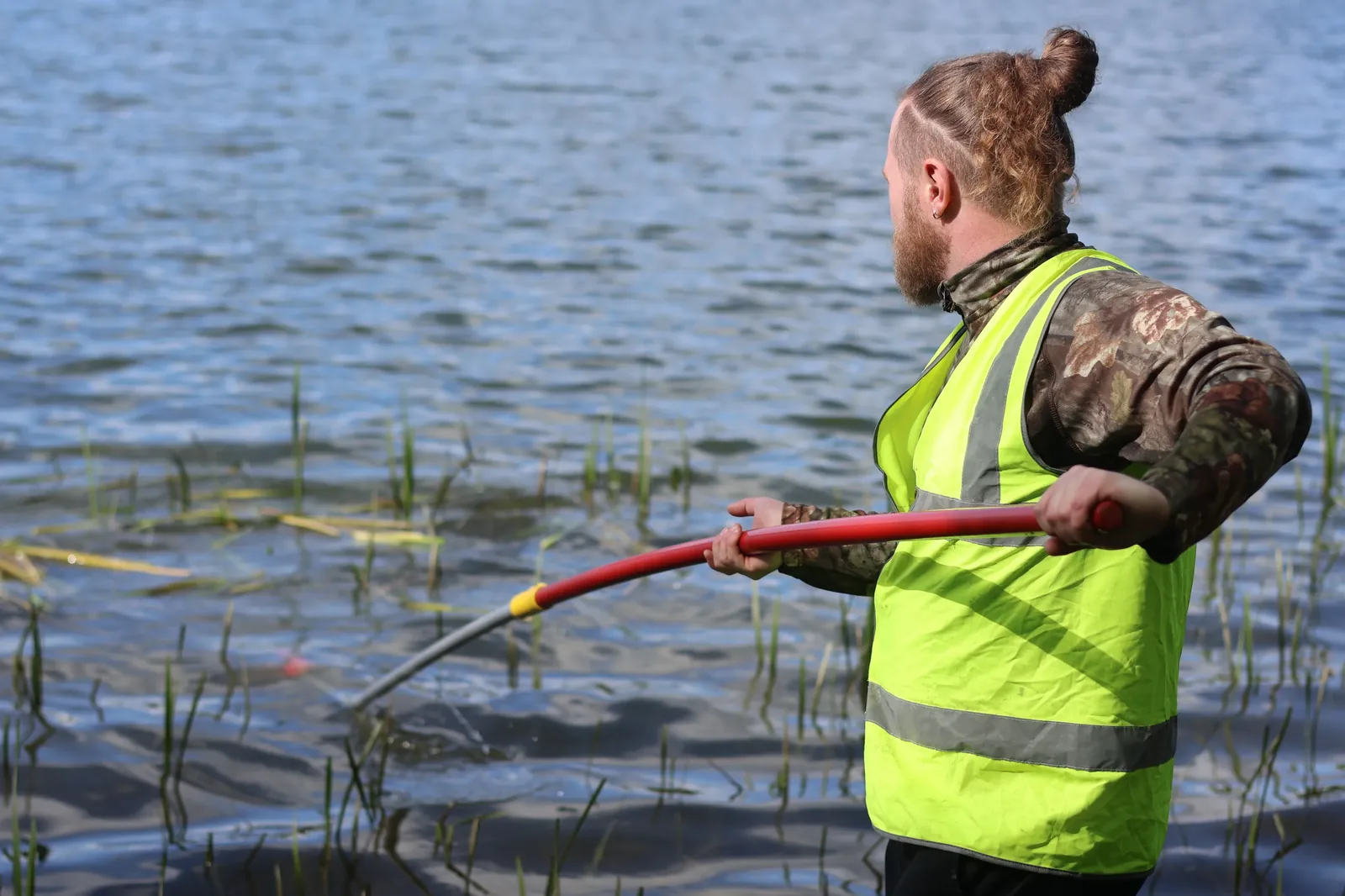
What stops people
The four comfortable explanations, in roughly the order they're true:
It feels like less. Posting a furious response to a pollution video gets you likes, replies, the satisfaction of being seen to care. Logging a single biodiversity sighting gets you nothing visible. The platform makes the data more useful, but it does not make the contributor more visible. For people whose engagement with environmental issues is partly driven by social signalling — and that is most people, honestly — the trade is uninviting.
It feels too small. One sighting, on one phone, on one bank, on one afternoon. What difference can it make? The answer is: by itself, almost none. Combined with thousands of other sightings, an enormous one. The same answer applies to a vote, a charity donation, or any other small contribution to a larger system. People who would never argue that voting is pointless because their single vote doesn't decide an election somehow find it easy to argue that a single sighting doesn't matter.
It feels uncertain. Will the data actually be used? Will the regulator pay attention? Will the case actually be made? These are reasonable questions and the honest answer is: yes, when the data exists in a form regulators can use. The reason regulators currently underweight citizen observations is that most citizen observations have historically been unverifiable. Verified, structured, audit-logged citizen observations are different — and the regulator's response to that data is changing as the data starts to exist.
It feels harder than it is. People who haven't done it imagine it's a long form, a complicated process, an expert task. It is none of those. It is a photograph, a tap, a confirmation. Thirty seconds, including locating the submit button. Anyone who can post on Facebook can submit a sighting.
And then there is the fifth reason, which is the actual reason. None of the four above is what's really stopping anyone.
It's that you can't be bothered. Logging a sighting, even one, even occasionally, would require interrupting whatever you're already doing — scrolling, complaining, watching, reading the next article — and pointing your attention at something specific in front of you, for thirty seconds, on purpose. Most people will not do that. Not because it's hard. Not because the reward is too small. Not because the data feels uncertain. Because their attention is being spent elsewhere, and the elsewhere feels nicer than thirty seconds of focused observation does. That is the truth. Everything above this paragraph is a story people tell themselves to avoid admitting it.
The platform exists. It is free. It works. It takes thirty seconds. The only thing standing between you and contributing is your willingness to pay attention to the water in front of you for half a minute, and most of you are not going to. That is the honest accounting.
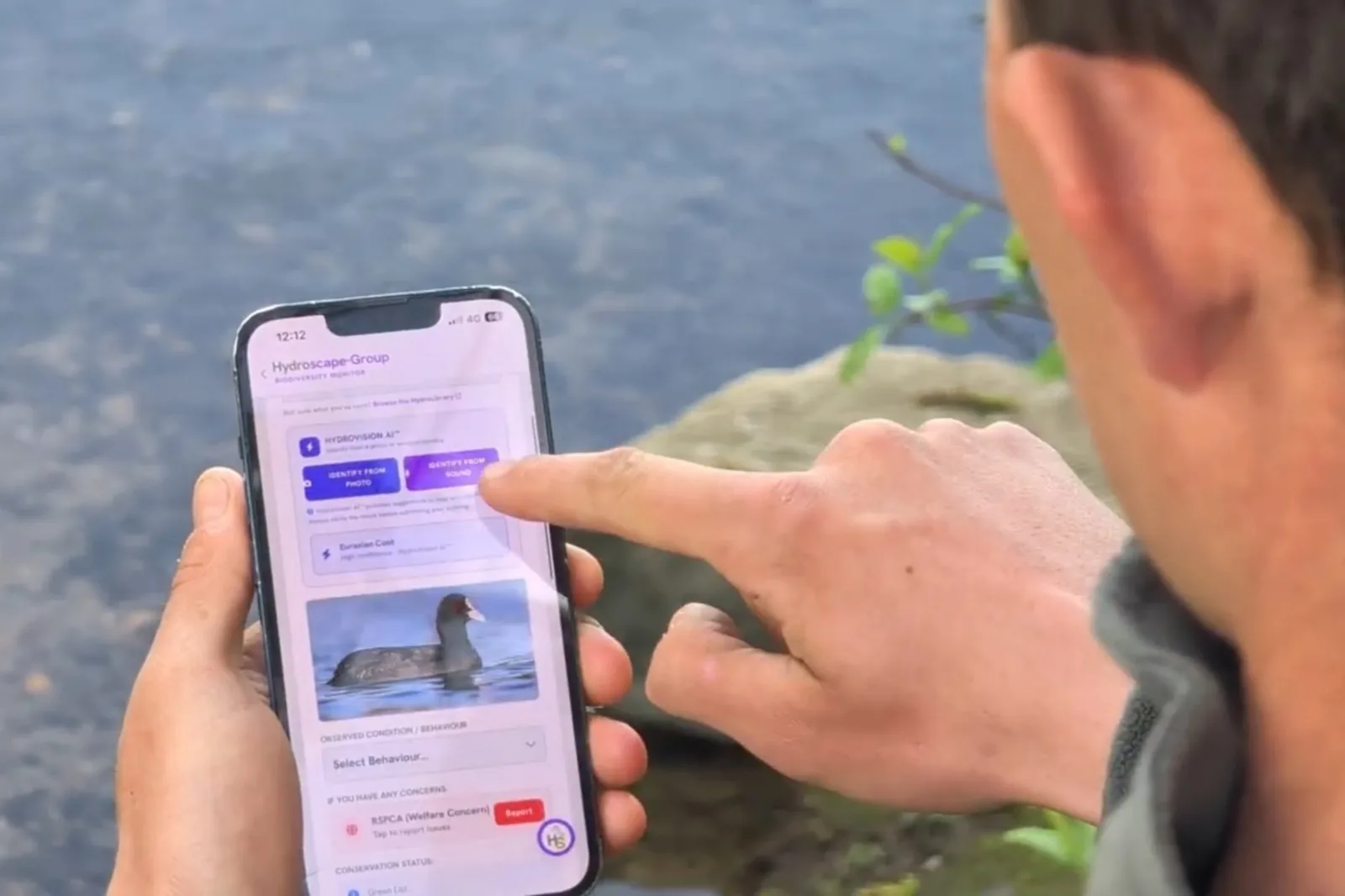
Stop watching. Start recording.
You do not have to be an ecologist. You do not have to be an angler. You do not have to know the species. You do not have to count anything. You do not have to write anything. You only have to take a photograph, and let the platform do the rest.
If you cared enough to watch Dirty Business, you care enough to do the thirty-second version of acting on what you watched.
If you cared enough to sign the petition, you care enough to contribute the evidence the petition is asking the regulator to act on.
If you cared enough to share the post, you care enough to log a sighting from somewhere along the same stretch of water the post was complaining about.
The platform is at hydroscape-group.co.uk. It is free. It needs no account. It works on any phone. It takes a photograph and turns it into verified, regulator-grade evidence in less time than it takes to draft a Facebook comment.
Go and use it.
Or — and we mean this honestly — stop pretending the post and the petition were activism. Stop pretending the documentary you watched made you a defender of anything. Stop pretending that being aware of a problem is the same as doing something about it. Have the integrity to say: I care about this in principle, but not enough to spend thirty seconds a week recording what I see. That is at least honest.
Performance is not action. Outrage is not evidence. The signed petition expires; the recorded sighting is in the regulatory file forever. Pick which one you want to spend the next decade being.
Stop watching. Start recording.
Thirty seconds. One photograph. Verified, GPS-stamped, audit-logged, and on its way to becoming part of the regulatory record. The form needs no account.
Submit a SightingHydroscape is a freshwater biodiversity monitoring platform built by passionate fishery managers with decades of hands-on experience in water management, biodiversity, habitat improvement, and freshwater ecology. The reporting forms are free, no account required.
hydroscape-group.co.uk · info@hydroscape-group.co.uk