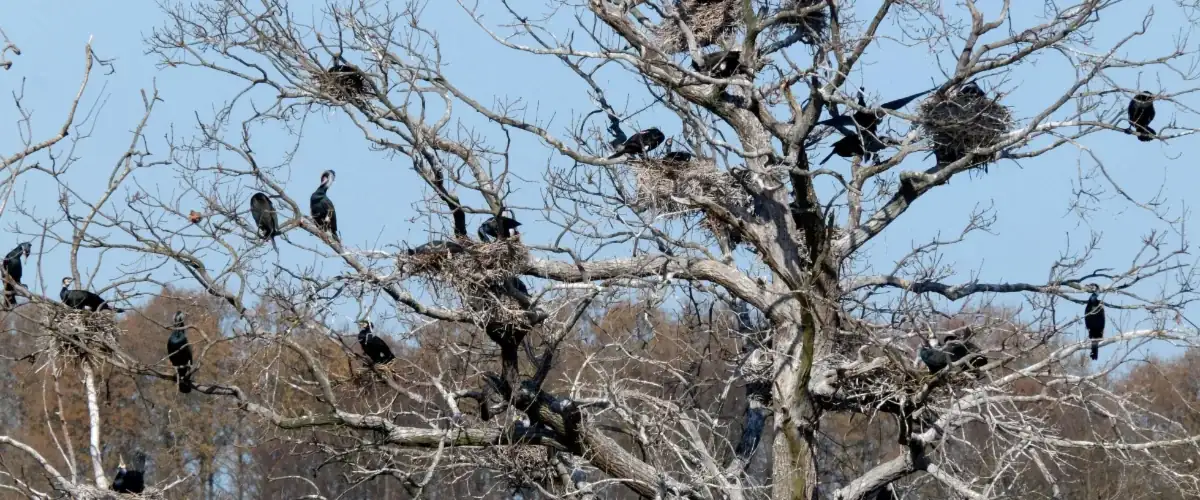
In 1981 cormorants started nesting in the trees at Abberton Reservoir in Essex. Until then the species had bred in Britain almost entirely on the coast.
By 1998 there were 1,437 pairs breeding inland in England, at 23 sites. By 2012 there were about 2,362 pairs at 48 sites, and the birds had bred at 89 inland sites in all.
The same bird has been shot under licence on English fisheries every winter for more than twenty years. People who oppose that call it persecution.
The word has a history, and the cormorant is part of it. It doesn't describe what happens on an English fishery now.
Persecution doesn't need a licence.
The case for the word
In the nineteenth century the continental race of the cormorant was wiped out as a breeding bird in several Baltic countries. The killing carried on into the middle of the twentieth, and by the early 1960s the whole European breeding population of that race was down to about 4,000 pairs.
British law treated it as a pest. From 1954 until the Wildlife and Countryside Act 1981 replaced it, the Protection of Birds Act listed the cormorant alongside the magpie, the jay and the house sparrow. Any authorised person could kill one at any time. Anyone with the fishing rights on a water counted as an occupier, and occupiers were authorised. There was no licence to apply for, no evidence to show and no limit on numbers.
The bird's reputation is older still. Milton put Satan in the Tree of Life in 1667 and had him sit there “like a Cormorant”.
That was persecution. The bird could be killed at any time, whether it was doing any damage or not. People who use the word now aren't making it up.
What protection did
Protection worked. The continental race climbed from about 4,000 pairs in the early 1960s to an estimated 190,000 to 210,000 pairs around the Baltic alone, probably helped by the bans on DDT and PCBs. In 1997 the European Commission took it off the Birds Directive's list of species needing special conservation measures, because it had reached a favourable conservation status.
Continental birds, thought to have come from the Netherlands and Denmark, started the inland colonies in England, and British coastal birds have joined them since.
In winter, cormorant numbers in Britain rose strongly from the late 1980s, held steady for about a decade from 2002/03, then rose again.
Some coastal colonies have declined, and breeding success at monitored colonies has fallen over the long term. The BTO says the reasons aren't clear. It did find that the rise in licenced shooting after 2004 had no detectable effect on the national population trend. Anyone who says a higher ceiling would endanger the species needs to show why.
What a licence is for
A cormorant is reported to eat roughly a pound of fish a day. On that figure a bird feeding on one water from October to March would take 150 to 200lb. That fish is the damage. It's why a licence is written for a water and not for the bird.
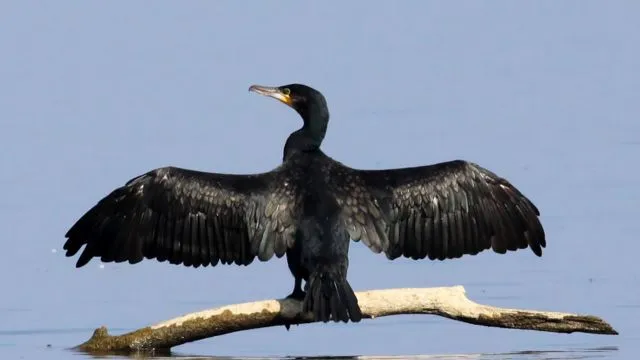
A licence in England names the water, the number of birds and the dates, normally 1 September to 15 April. The applicant has to show evidence of damage and a record of non-lethal measures covering at least a month before applying. The holder reports back within 14 days of the licence ending, even if no bird was shot, or risks losing the licence and the next one.
In the 2024/25 season Natural England's licences covered 2,870 cormorants across 416 licences. The typical licence covered five birds, and nine in ten covered ten or fewer. Every one gave the method as shooting to reinforce scaring. Natural England's own figures put the number actually shot at an average of 2,614 a year from 2015/16 to 2018/19, about 7% of the English wintering population.
That's too few. We want Natural England to licence more birds, on waters that can show the damage, to the same standard of evidence it asks for now.
Illegal shooting still happens, and nobody knows how much. That's persecution, and no licence covers it.
One bird fewer
The case against licencing more birds is that it wouldn't work. When the European Parliament called for a Europe-wide cormorant management plan in 2008, the Commission turned it down. A smaller population, it argued, wouldn't necessarily mean fewer birds on the waters they favour, or less damage there. In 2013 the BTO found no evidence that killing cormorants one winter changed the number at a site the following winter.
You hear the same on the bank. A good water draws birds from miles around, so shoot five and five more come in off the roost, and the fish are no better off.
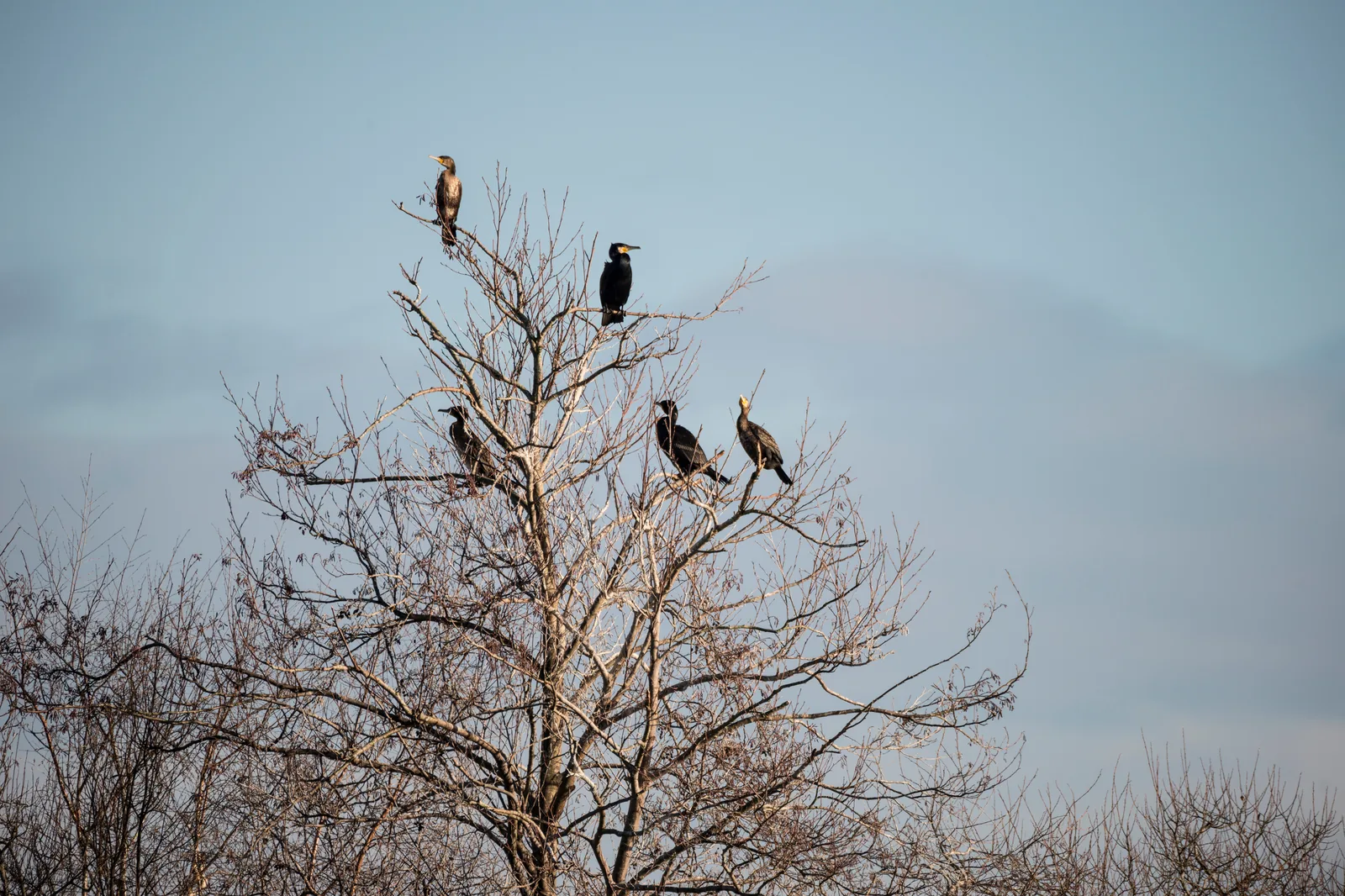
A cormorant that's been shot doesn't eat, and no population model changes that. Another bird may take its place on your water, but the one that was shot isn't eating anywhere, and over a winter that's 150 to 200lb of fish it won't take. The idea that fewer birds leave the fish no better off is ludicrous.
The replacement argument cuts our way. Today's licences cover a handful of birds a water, issued to reinforce scaring, and if the roost can replace them before the next count, a handful is too few. Licencing like that was never going to bring the numbers down, so nobody should be surprised when the counts don't fall.
The ceiling
Since 2021 Natural England has set its upper limit so that licenced shooting doesn't irreversibly affect the cormorant's conservation status. It won't licence shooting that could take the wintering population below 30,965 birds, which is what was counted in 2004/05. Even with about 7% shot a year, the population has held steady or grown since, and Natural England's latest estimate, for 2017/18, was 37,257.
A ceiling set to hold the population steady keeps it at a level that isn't working for the fish. We want the ceiling raised so the population comes down, and Natural England's own count leaves room for it: 37,257 birds is more than 6,000 above its own minimum.
Natural England treats the coastal carbo, the long-established British bird, separately from the continental sinensis, and sees licenced control as the main threat to the coastal colonies. When birds shot under licence on inland waters were checked in 1997/98 and 1998/99, two in three were carbo. It's the best argument for caution we've seen.
That split is more than 25 years old. Natural England says the races are hard to tell apart in the field, and that it doesn't know how much of the winter population is which. The coastal population it's protecting stood at 1,191 nests in 1969/70, when anyone with fishing rights could shoot a cormorant at any time. Twenty years of protection later it was 1,315. Roughly level through both, and Natural England's own report suggests food may be limiting those colonies anyway.
The line between the races is blurring. DNA work has confirmed that England's inland colonies hold both, and genetic studies since 1998 have reported the two interbreeding. In France mixed pairs are raising chicks, and a Norwegian study suggests the genes are flowing mainly from sinensis into carbo.
If the difference between the two matters, it's being lost in the inland colonies where they meet. If it doesn't, it can't be the reason the ceiling stays where it is. A line that's hard to see in the field and blurring in the colonies is a thin basis for holding every fishery in England back.
Preserving the fish
We need to stop lying to ourselves about persecution. Every time a fishery apologises for wanting fewer cormorants, it accepts a label that doesn't fit and pulls the conversation away from the fish.
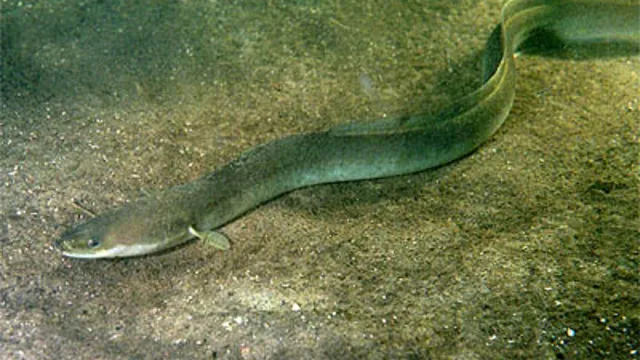
The European Red List of Freshwater Fishes, published this year, puts more than 42% of Europe's freshwater fish species in a threatened category, every freshwater eel among them. One species in five is known to be declining. Cormorants aren't the main reason. The report names dams, pollution, invasive species and climate change. A stock already carrying all that has less to spare for a predator that has recovered.
Looking after the fish means fewer cormorants, not none. The difference between that and persecution is the paperwork, the evidence before a licence and the return after it. Those records are also how the ceiling goes up. We build software that fisheries use to keep them and prepare their applications, so we have a stake in this.
Persecution never had to show its working. A licence does.
The Hydroscape Team
Sources
Every figure in this piece comes from a named source.
Show your working.
Keep the records on your water, and we'll help you turn them into a licence application.
Hydroscape is a freshwater biodiversity monitoring platform built by fishery managers with decades of hands-on experience in water management, biodiversity, habitat improvement, and freshwater ecology.
hydroscape-group.co.uk · info@hydroscape-group.co.uk